
A current snapshot of my curated bookshelf: ideas and stories that have shaped, will shape and are shaping my perspective.
 $100M OffersAlex Hormozi2021Persuasion & Business
Alex Hormozi on building an offer so good people feel stupid saying no: value equations, guarantees, scarcity and bonuses.
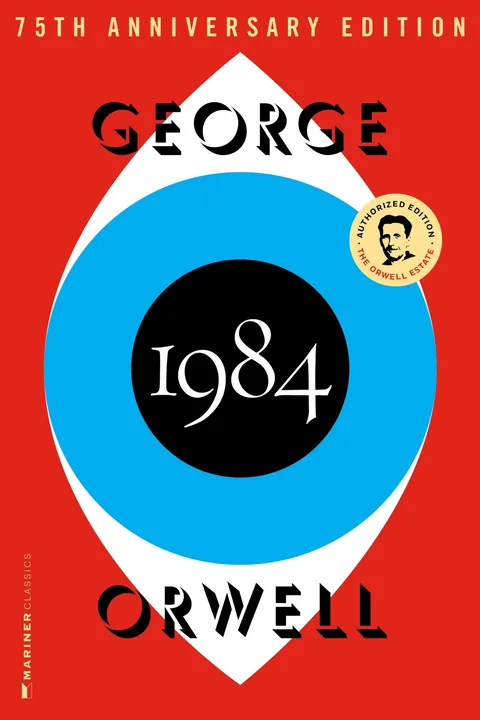 1984George Orwell1949Literature
George Orwell's novel of Winston Smith under Big Brother, Newspeak and the Thought Police.
 The Abolition of ManC. S. Lewis1943Philosophy
C. S. Lewis's three lectures in defence of objective value. He argues that an education which debunks sentiment produces "men without chests".
 Adventures of Huckleberry FinnMark Twain1884Literature
Mark Twain's novel of Huck and Jim, an escaped slave, rafting down the Mississippi. Hemingway said all modern American literature comes from it.
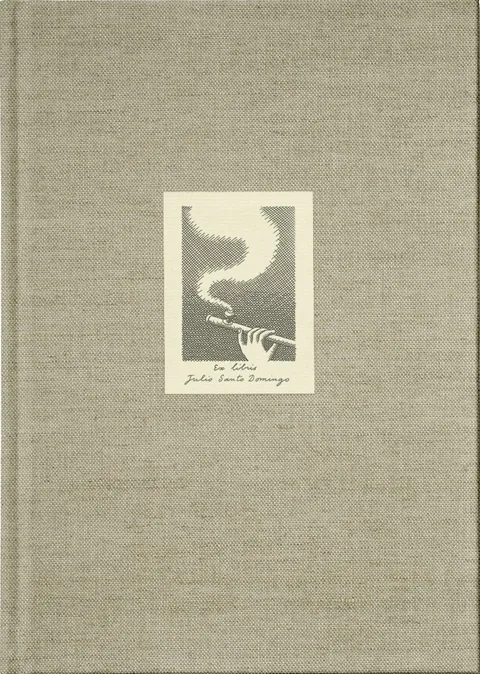 Altered States: The Library of Julio Santo DomingoPeter Watts (ed.)2017Design & Art
A slipcased record, edited by Peter Watts for Anthology Editions, of the Colombian collector Julio Mario Santo Domingo Jr.'s library of drugs, sex, rock and the counterculture, a collection now largely held at Harvard's Houghton Library.
 The Anarchist's Tool ChestChristopher Schwarz2011Craft, Land & Work
Christopher Schwarz on the 48 hand tools a woodworker actually needs, and how to build the chest that holds them. It reads as a manifesto against disposable things.
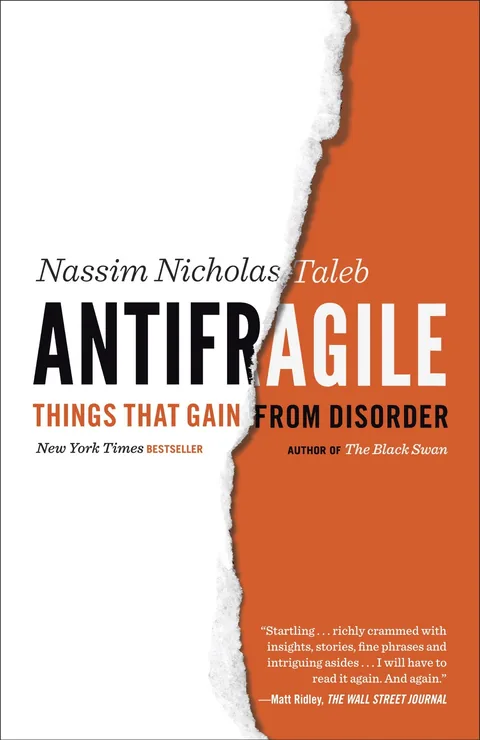 AntifragileNassim Nicholas Taleb2012Systems & Futures
Nassim Nicholas Taleb on things that do more than survive shocks and actually gain from them, applied to bodies, businesses, cities and states.
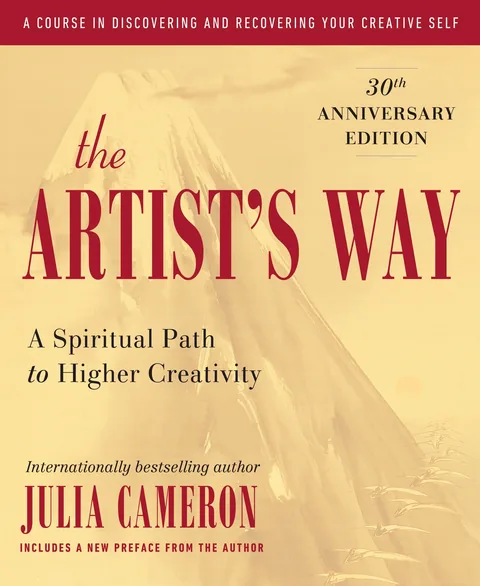 The Artist's WayJulia Cameron1992Psychology & the Self
Julia Cameron's twelve-week course in recovering creativity, built on the daily morning pages and the weekly artist's date.
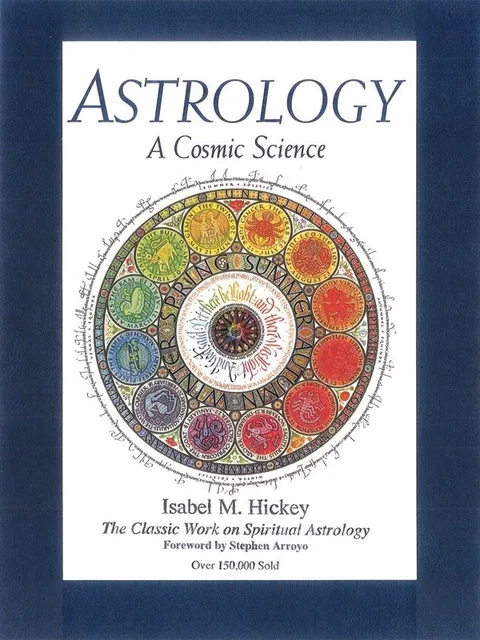 Astrology: A Cosmic ScienceIsabel M. Hickey1970Esoterica
Isabel M. Hickey's classic textbook of esoteric astrology, which treats the chart as a map of the soul's growth rather than a forecast of events.
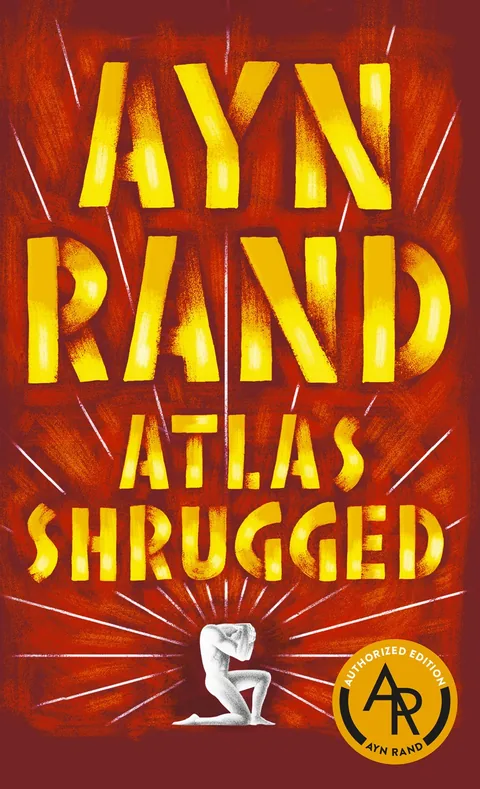 Atlas ShruggedAyn Rand1957Literature
Ayn Rand's longest novel, in which the country's industrialists and inventors go on strike and the economy collapses without them.
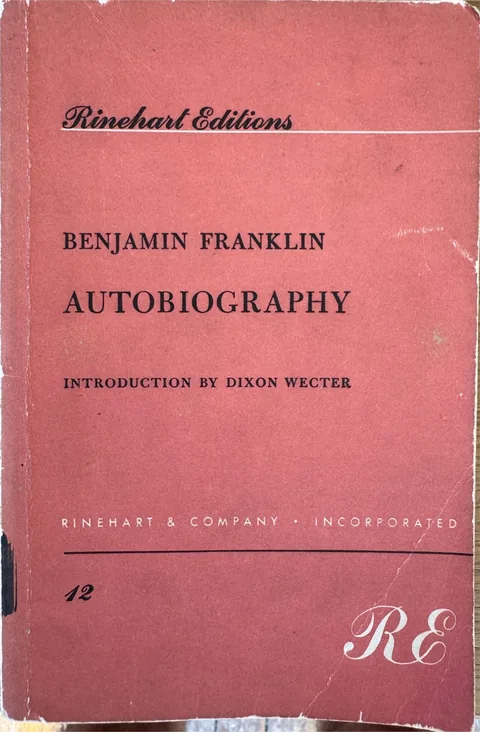 The Autobiography of Benjamin FranklinBenjamin Franklin1791History & Biography
Franklin's unfinished account of his rise from runaway apprentice to printer, scientist and statesman, including his scheme of thirteen virtues.
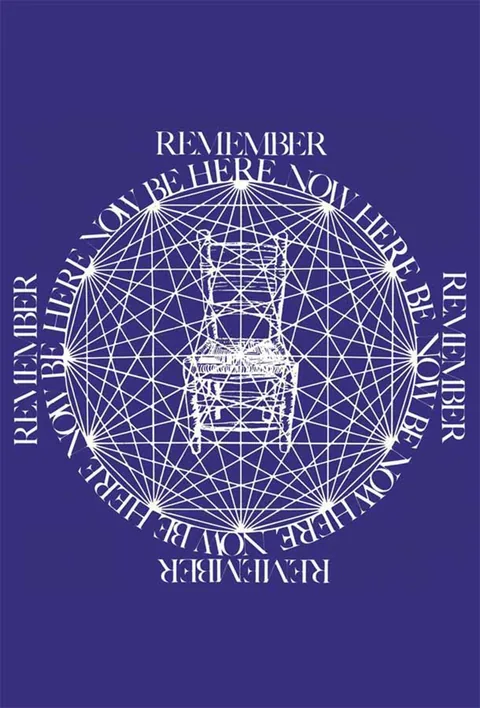 Be Here NowRam Dass1971Religion & Mysticism
Ram Dass, formerly the Harvard psychologist Richard Alpert, tells of his journey to India and his guru Neem Karoli Baba. The central section is hand-drawn.
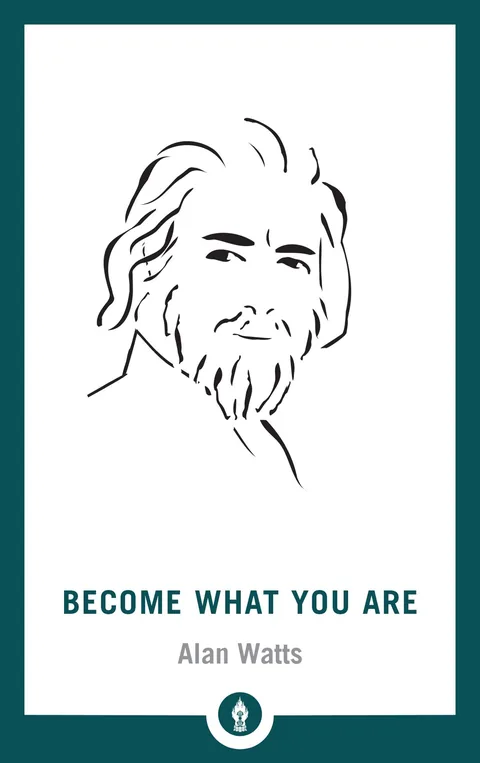 Become What You AreAlan Watts1955Religion & Mysticism
Short essays by Alan Watts drawn from Zen, Taoism and Vedanta, on becoming what you already are.
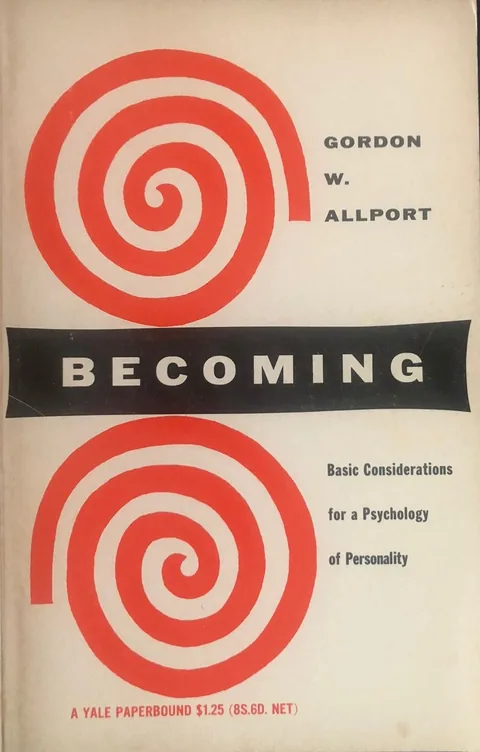 BecomingGordon W. Allport1955Psychology & the Self
Gordon Allport's short case for a psychology of personality built on growth, purpose and selfhood rather than drives and conditioning.
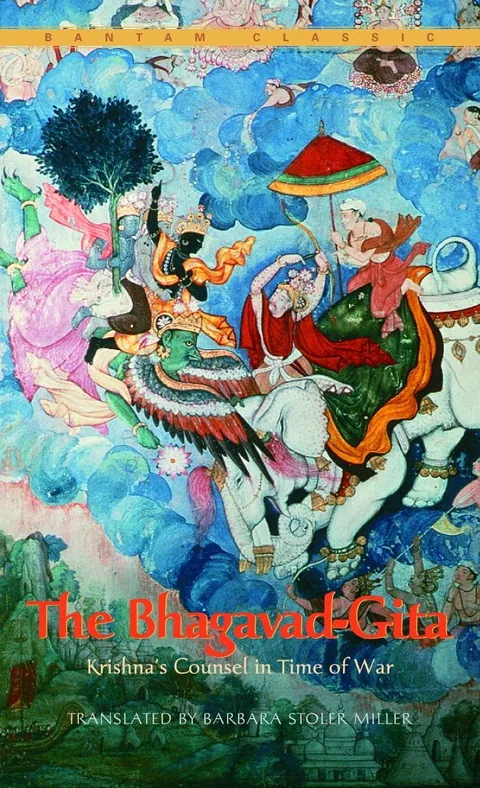 The Bhagavad-GitaAnonymousc. 200 BCReligion & Mysticism
The dialogue between Prince Arjuna and his charioteer Krishna on the eve of battle, from the Mahabharata. This is Barbara Stoler Miller's translation.
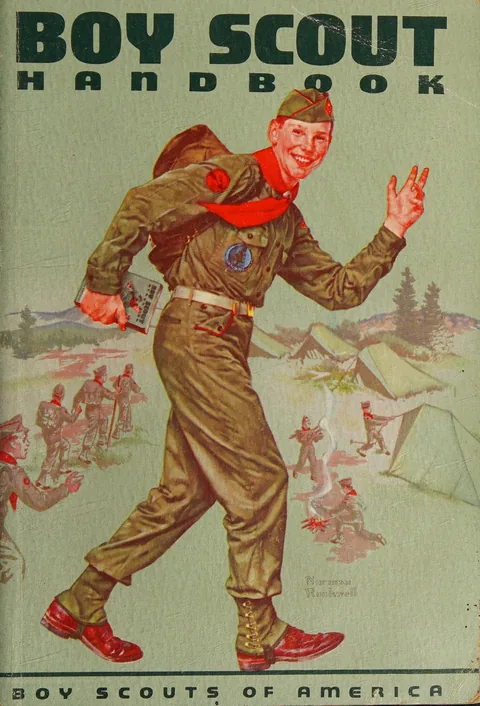 Boy Scout HandbookBoy Scouts of America1911Craft, Land & Work
The Boy Scouts of America handbook, in the 1959 sixth edition with a Norman Rockwell cover: woodcraft, first aid, knots, camping and citizenship.
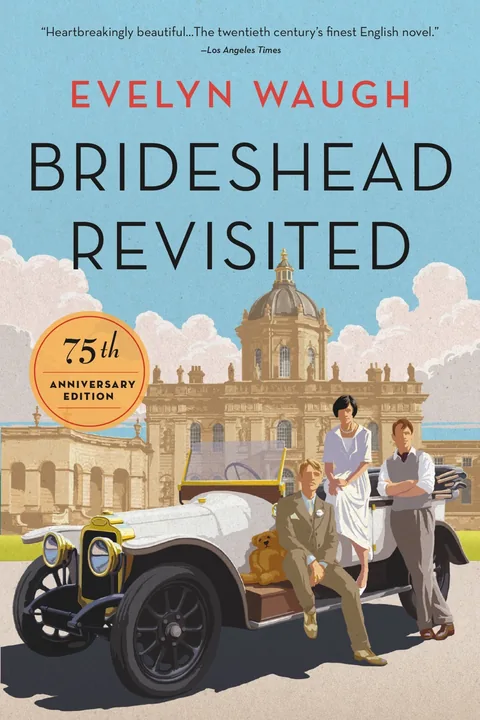 Brideshead RevisitedEvelyn Waugh1945Literature
Evelyn Waugh's novel of Charles Ryder and the aristocratic Catholic Flyte family, from Oxford in the 1920s to the Second World War.
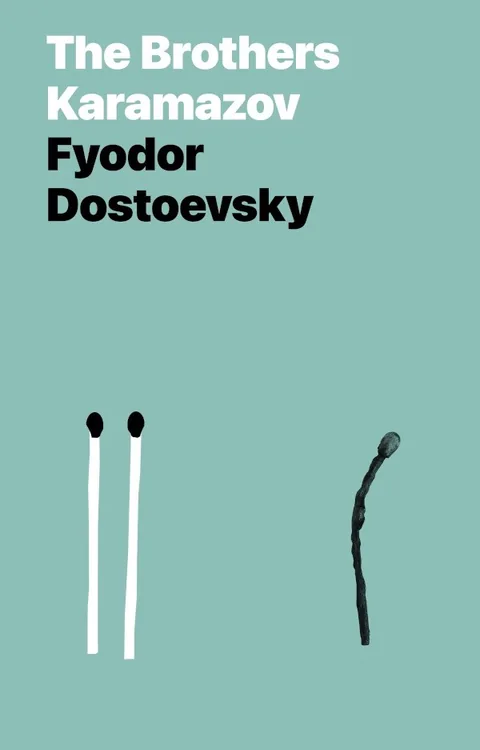 The Brothers KaramazovFyodor Dostoevsky1880Literature
Dostoevsky's last novel: three brothers, a murdered father, and an argument about God, freedom and responsibility that includes "The Grand Inquisitor".
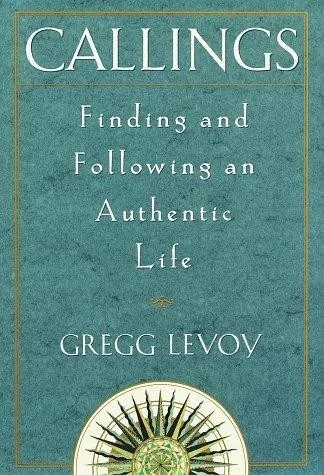 CallingsGregg Levoy1997Psychology & the Self
Gregg Levoy on how to recognise a calling, the forms it takes, and the ways people resist and finally answer one.
 A Canticle for LeibowitzWalter M. Miller Jr.1959Science Fiction
Walter M. Miller Jr.'s novel of monks who preserve scientific knowledge for centuries after a nuclear war, while civilisation rises toward the same mistake.
 Childhood's EndArthur C. Clarke1953Science Fiction
Arthur C. Clarke's novel of alien Overlords who end war and poverty on Earth, and of what humanity's last generation becomes.
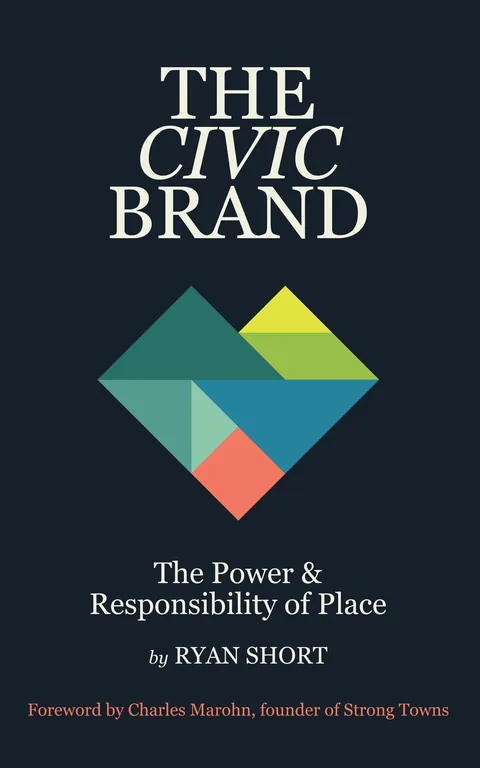 The Civic BrandRyan ShortArchitecture & Cities
Ryan Short on the power and responsibility of place-branding: how cities and towns can tell a true story about themselves.
 Civil DisobedienceHenry David Thoreau1849Philosophy
Henry David Thoreau's essay on refusing to pay taxes to a government that waged the Mexican War and upheld slavery. It later influenced Tolstoy, Gandhi and King.
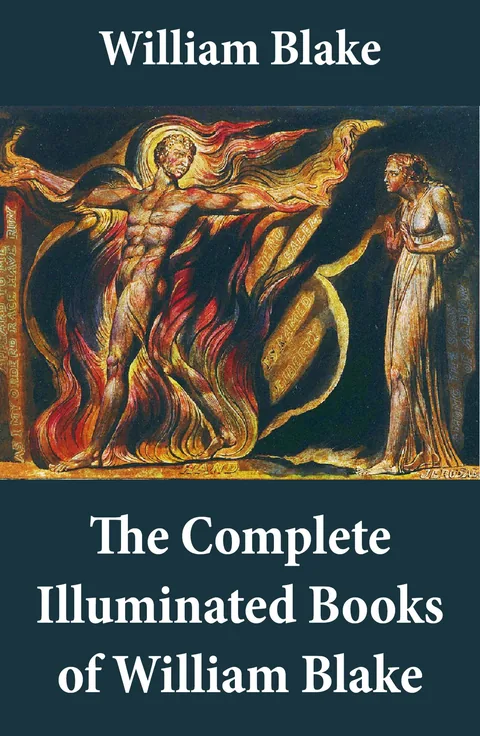 The Complete Illuminated BooksWilliam Blake1789Literature
William Blake's relief-etched books of poetry and image, from Songs of Innocence and of Experience to Jerusalem, reproduced in full colour.
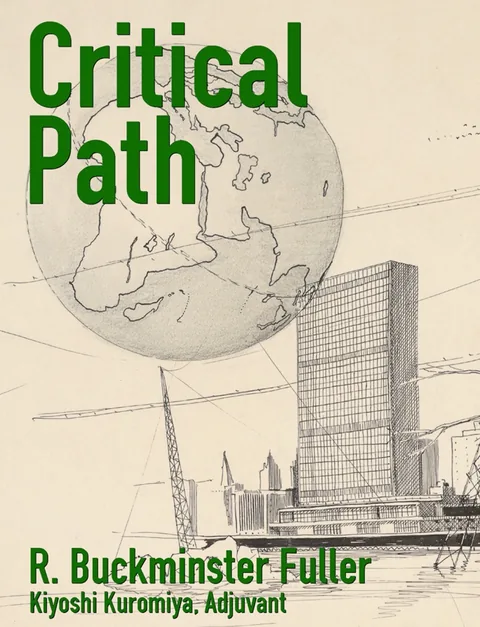 Critical PathR. Buckminster Fuller1981Systems & Futures
Buckminster Fuller's late summation: a history of humanity and power, and a plan to make the world work for everyone through design rather than politics.
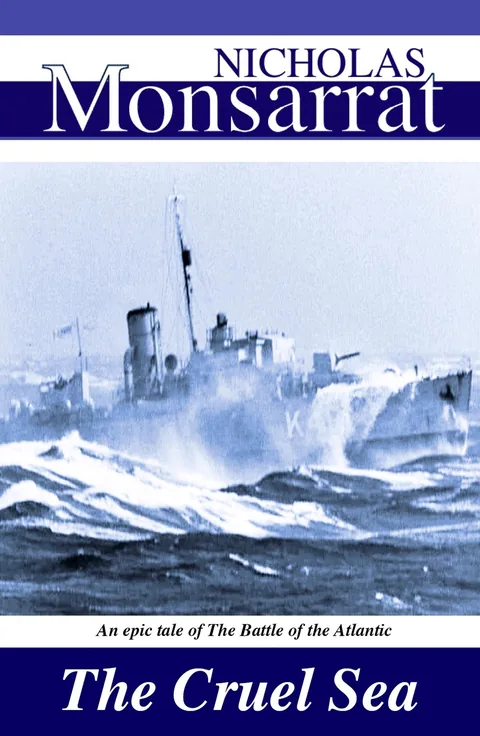 The Cruel SeaNicholas Monsarrat1951Literature
Nicholas Monsarrat's novel of a corvette and a frigate escorting convoys in the Battle of the Atlantic. Monsarrat served on such ships himself.
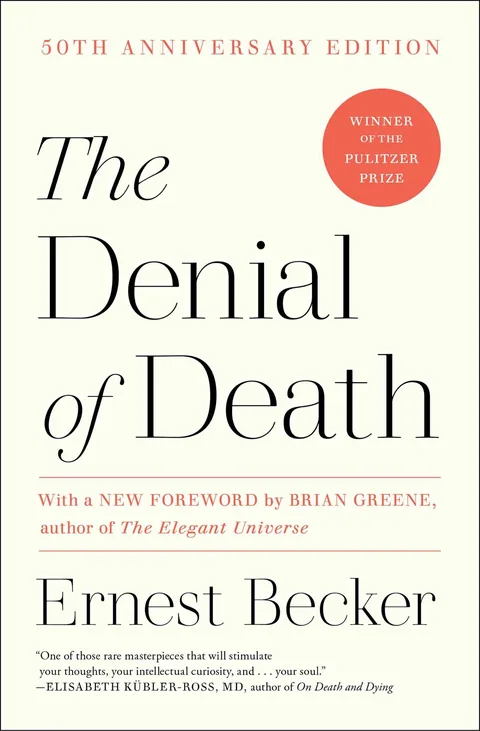 The Denial of DeathErnest Becker1973Psychology & the Self
Ernest Becker argues that civilisation is a defence against the knowledge that we will die. It won the Pulitzer Prize in 1974, two months after his death.
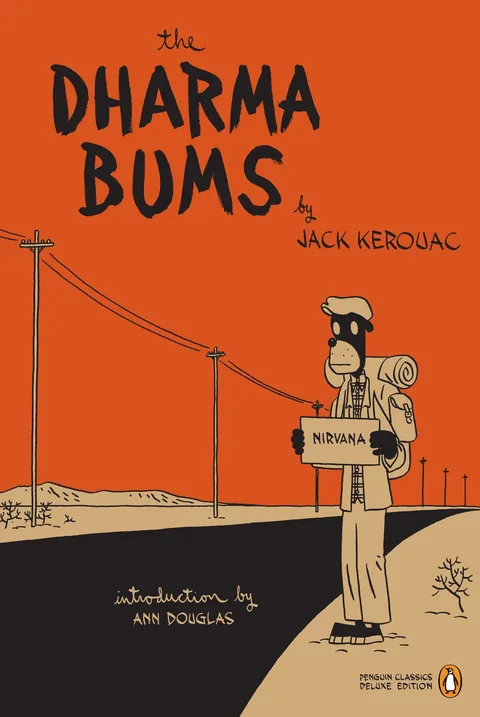 The Dharma BumsJack Kerouac1958Literature
Jack Kerouac's novel of Buddhism, mountain climbing and poetry, with Gary Snyder as Japhy Ryder.
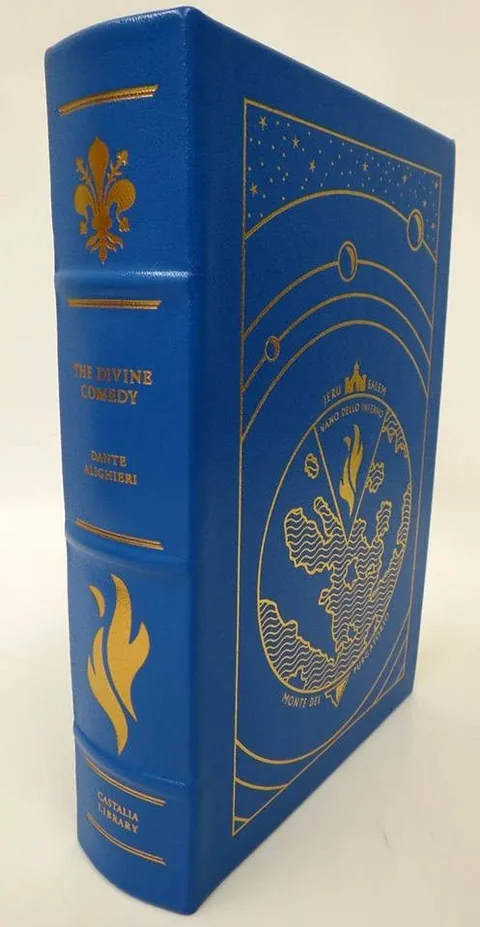 The Divine ComedyDante Alighieric. 1320Literature
Dante's journey through Hell, Purgatory and Paradise, guided by Virgil and Beatrice. This copy is Henry Wadsworth Longfellow's 1867 translation, the first complete American one.
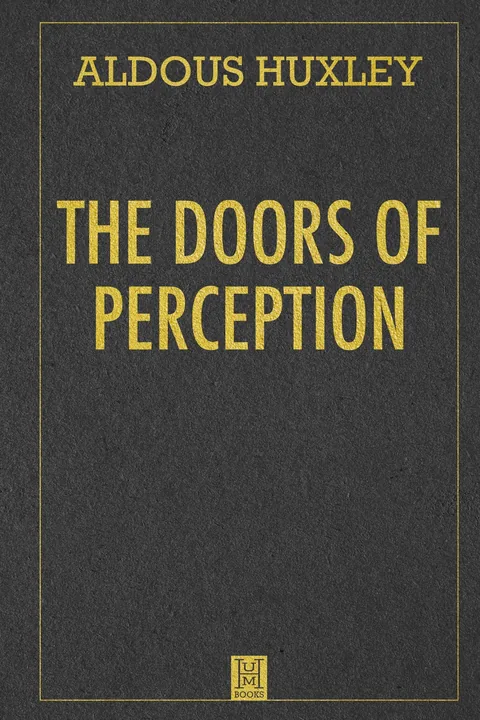 The Doors of PerceptionAldous Huxley1954Religion & Mysticism
Aldous Huxley's account of taking mescaline in 1953, paired with Heaven and Hell, a follow-up essay on visionary experience.
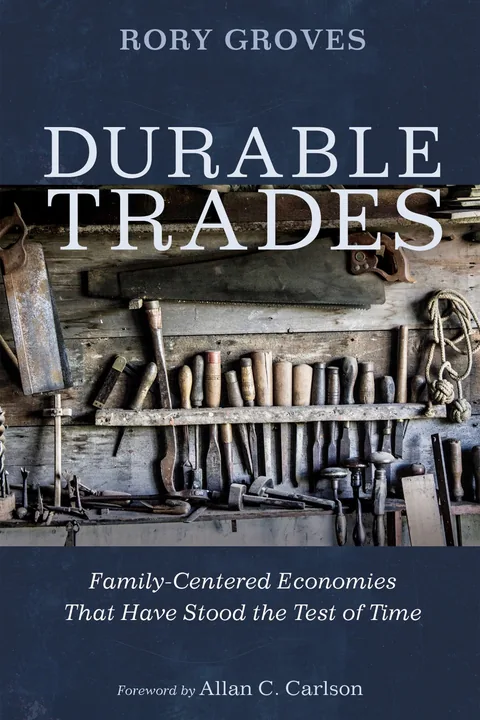 Durable TradesRory Groves2020Craft, Land & Work
Rory Groves studies the family businesses and trades that have lasted for centuries, and asks what makes work durable.
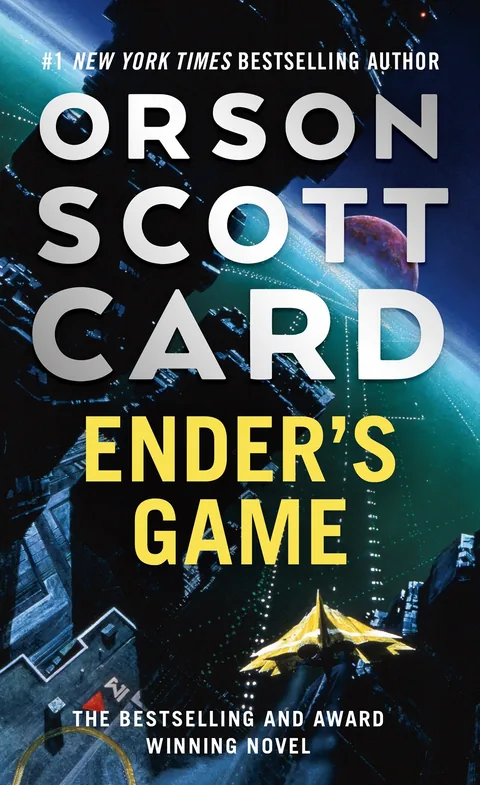 Ender's GameOrson Scott Card1985Science Fiction
Orson Scott Card's novel of a child genius trained through war games to command Earth's fleet against an alien species.
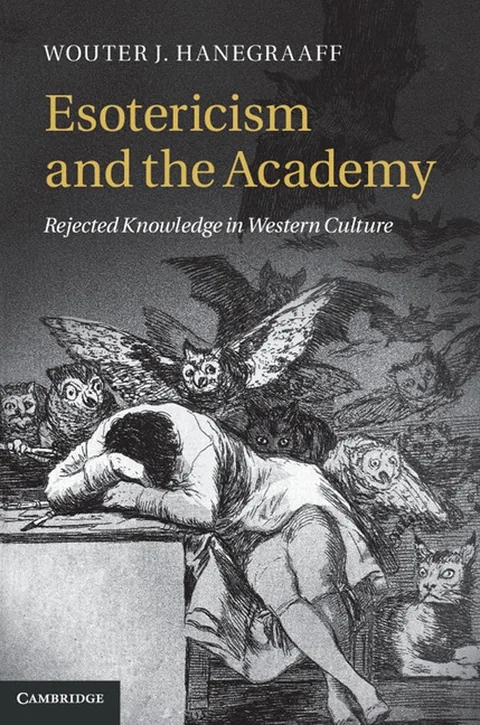 Esotericism and the AcademyWouter J. Hanegraaff2012Esoterica
Wouter J. Hanegraaff, the scholar who founded the academic study of Western esotericism, explains how Hermetic and occult knowledge came to be excluded from respectable learning.
 Fear and Trembling and The Sickness Unto DeathSøren Kierkegaard1843Philosophy
Two works by Søren Kierkegaard in Walter Lowrie's translation: a meditation on Abraham's sacrifice of Isaac, and an anatomy of despair.
 FlatlandEdwin A. Abbott1884Science Fiction
Edwin Abbott's satire of Victorian society, narrated by a square in a two-dimensional world who is visited by a sphere.
 FlowMihaly Csikszentmihalyi1990Psychology & the Self
Mihaly Csikszentmihalyi on the state of complete absorption in a challenging task, and how to build more of it into work and life.
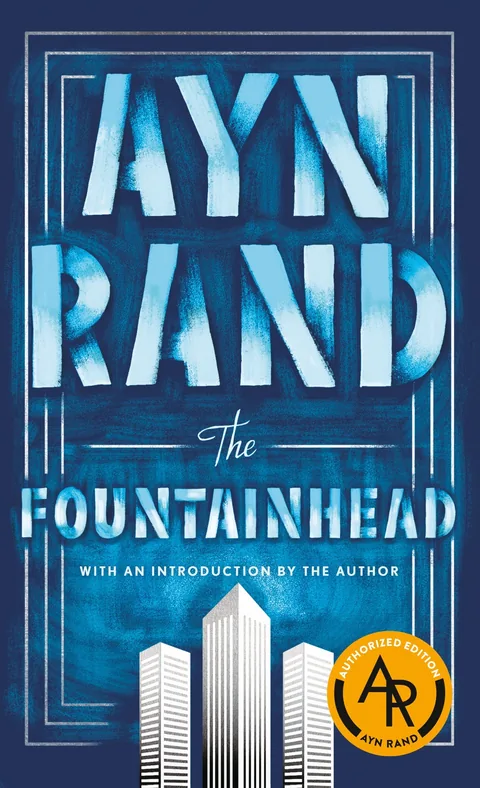 The FountainheadAyn Rand1943Literature
Ayn Rand's novel of Howard Roark, a modernist architect who refuses to compromise his work for clients, critics or the public.
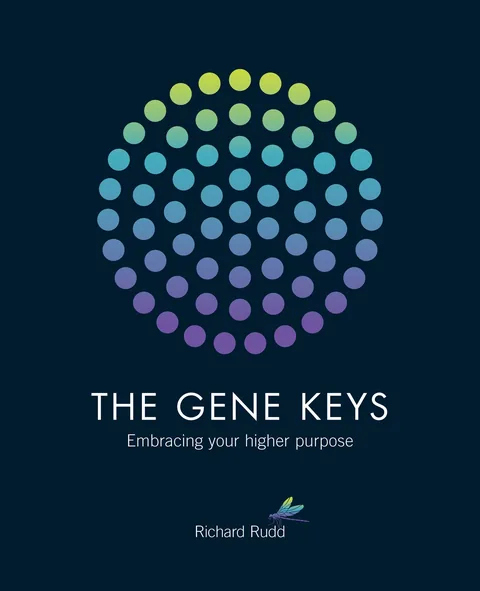 The Gene KeysRichard Rudd2009Esoterica
Richard Rudd maps the 64 hexagrams of the I Ching onto the human genetic code. Each key runs from a "shadow" through a "gift" to a "siddhi" in a programme of contemplation.
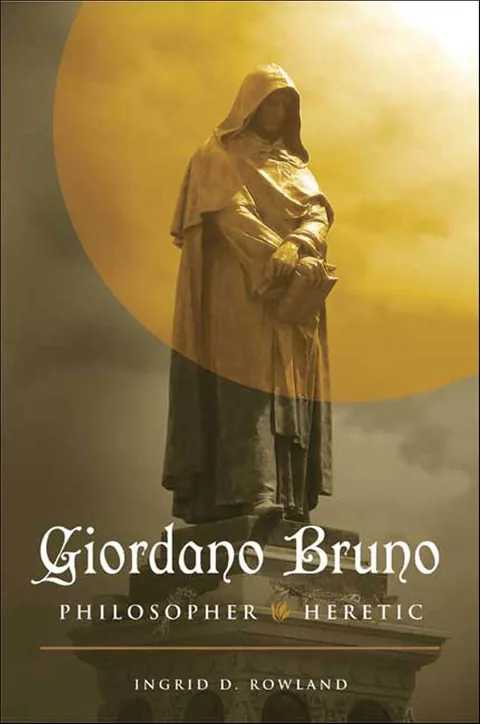 Giordano Bruno: Philosopher/HereticIngrid D. Rowland2008History & Biography
Ingrid D. Rowland's biography of the Dominican friar, memory theorist and cosmologist. Bruno imagined an infinite universe and was burned in Rome in 1600.
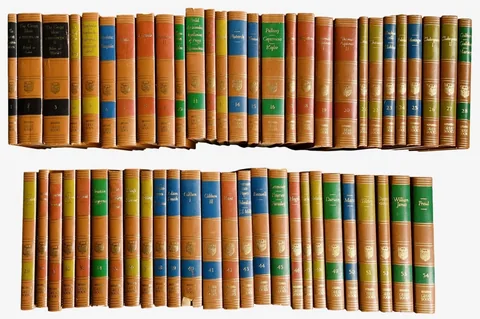 Great Books of the Western WorldMortimer J. Adler (ed.)1952Education & the Liberal Arts
Encyclopaedia Britannica's set of the Western canon from Homer to Freud, edited by Robert Maynard Hutchins and Mortimer J. Adler, with Adler's Syntopicon of 102 great ideas. This is the full set.
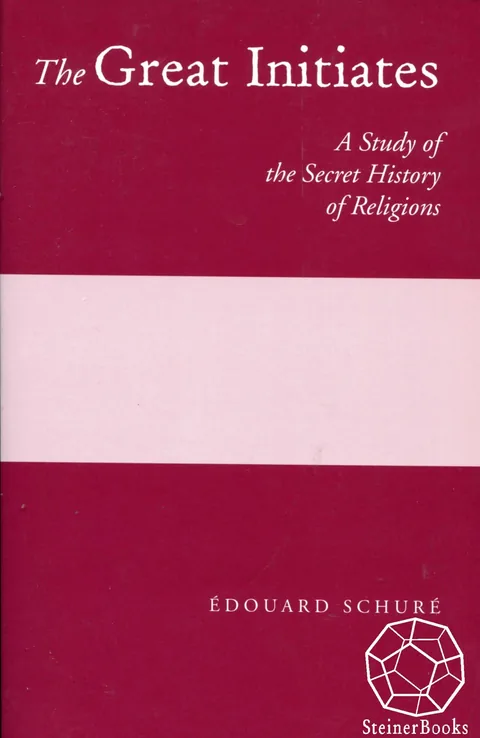 The Great InitiatesÉdouard Schuré1889Religion & Mysticism
Édouard Schuré traces one esoteric teaching through Rama, Krishna, Hermes, Moses, Orpheus, Pythagoras, Plato and Jesus. It influenced Rudolf Steiner and much of the occult revival that followed.
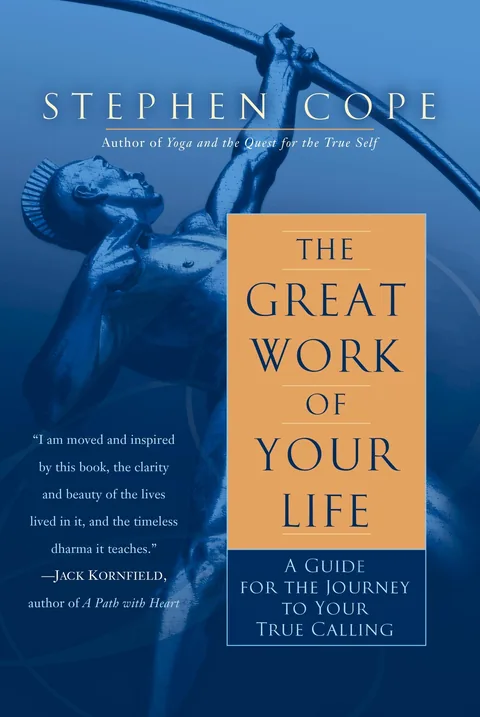 The Great Work of Your LifeStephen Cope2012Psychology & the Self
Stephen Cope reads the Bhagavad Gita through the lives of Thoreau, Keats, Gandhi and others to show how people find their dharma.
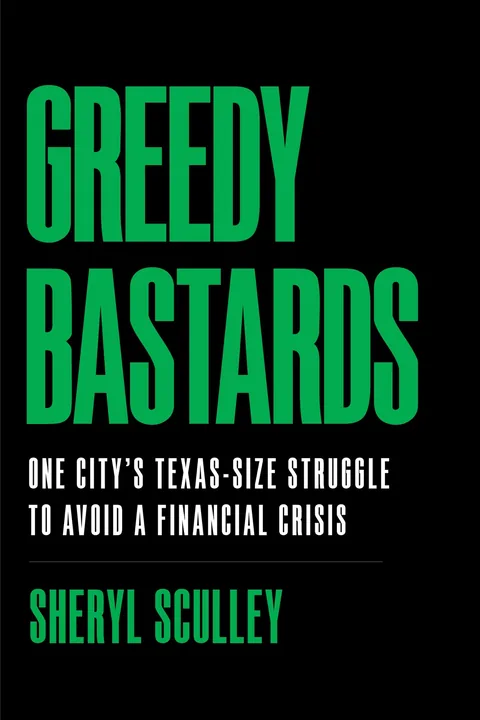 Greedy BastardsSheryl Sculley2020Architecture & Cities
San Antonio's former city manager Sheryl Sculley recounts the fight over police and fire pensions that threatened the city's finances.
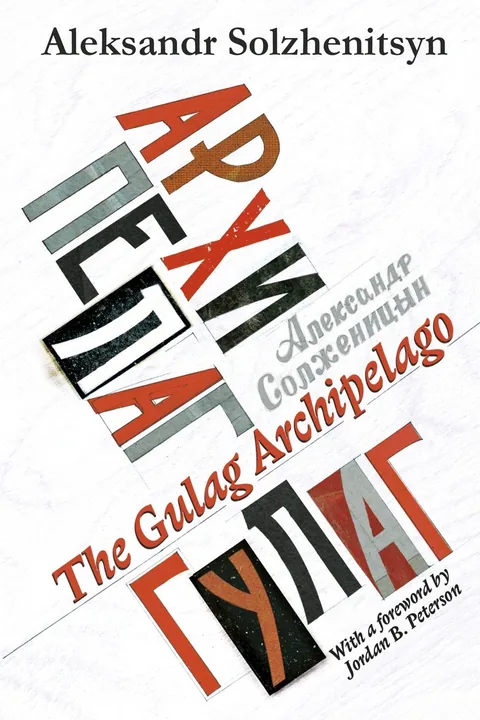 The Gulag ArchipelagoAleksandr Solzhenitsyn1973History & Biography
Aleksandr Solzhenitsyn's history of the Soviet forced-labour camps, built from his own imprisonment and the testimony of 227 survivors.
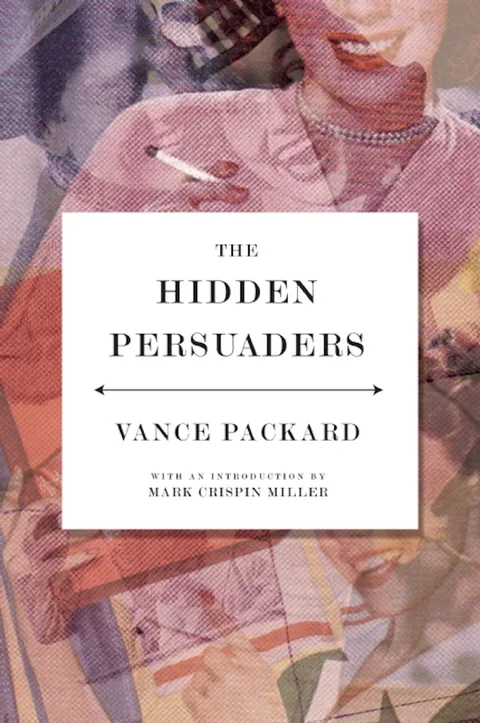 The Hidden PersuadersVance Packard1957Persuasion & Business
Vance Packard's exposé of motivational research and the psychological techniques advertisers used on postwar American consumers.
 The HistoriesHerodotusc. 430 BCAntiquity
Herodotus's inquiry into the Greco-Persian Wars, ranging through the customs, geography and myths of the known world. It is the first work of history in the West. This copy was bound in leather by Tamburn Bindery.
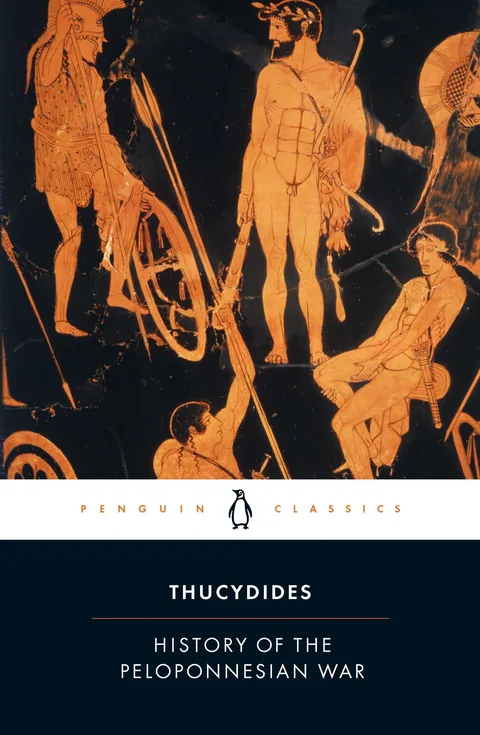 History of the Peloponnesian WarThucydidesc. 400 BCAntiquity
Thucydides, an Athenian general exiled for a failure in the war, wrote its history as a lasting possession rather than a performance. It includes Pericles's Funeral Oration and the Melian Dialogue. Bound in leather to match the Herodotus.
 Holy BibleVarious1611Religion & Mysticism
The King James Version, in a presentation edition carrying the square and compasses of Freemasonry.
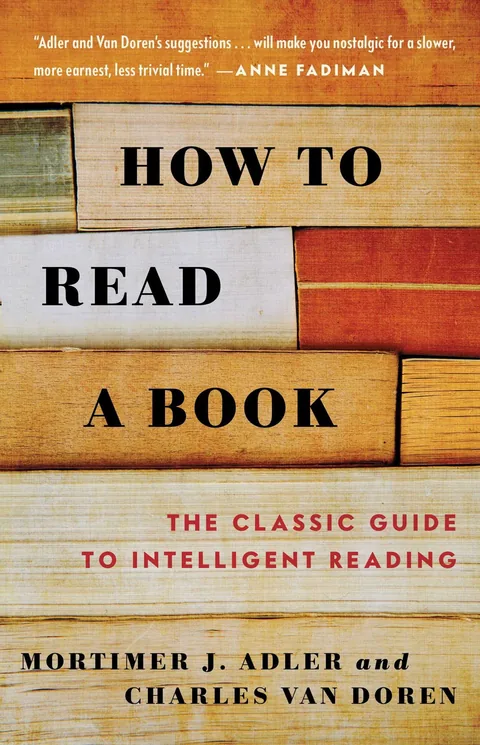 How to Read a BookMortimer J. Adler and Charles Van Doren1940Education & the Liberal Arts
Mortimer Adler's guide to reading actively, from inspectional to analytical to syntopical reading. Revised with Charles Van Doren in 1972.
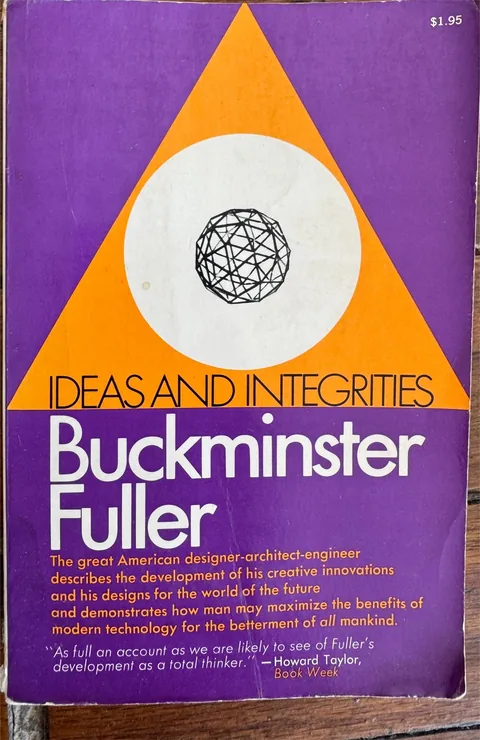 Ideas and IntegritiesR. Buckminster Fuller1963Systems & Futures
Buckminster Fuller's autobiographical monologue on his near-suicide in 1927, the decision that followed, and the comprehensive design science he built afterwards.
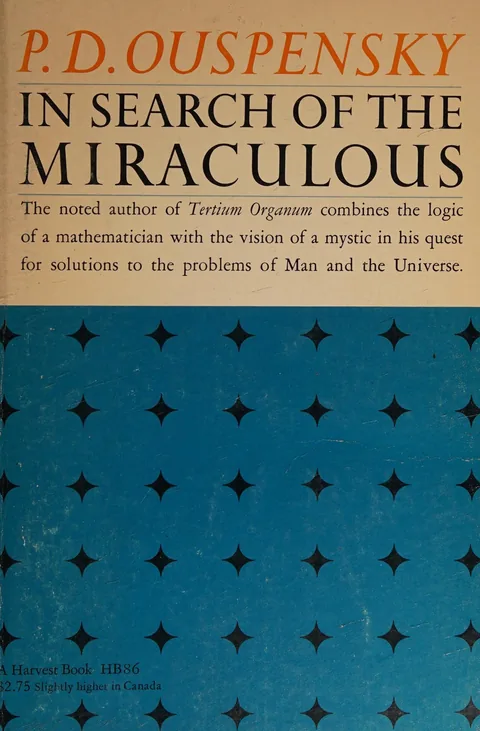 In Search of the MiraculousP. D. Ouspensky1949Religion & Mysticism
P. D. Ouspensky's account of studying with G. I. Gurdjieff in Russia from 1915 to 1918. It remains the clearest record of the Fourth Way teaching.
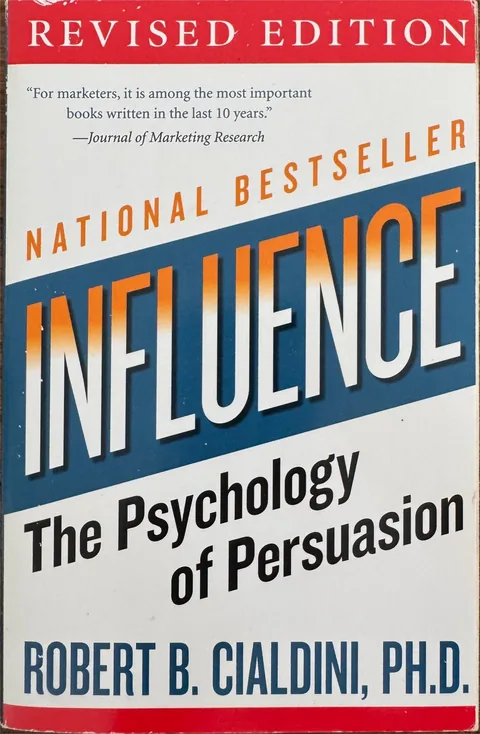 InfluenceRobert B. Cialdini1984Persuasion & Business
Robert Cialdini's study of six principles of persuasion: reciprocity, commitment, social proof, liking, authority and scarcity.
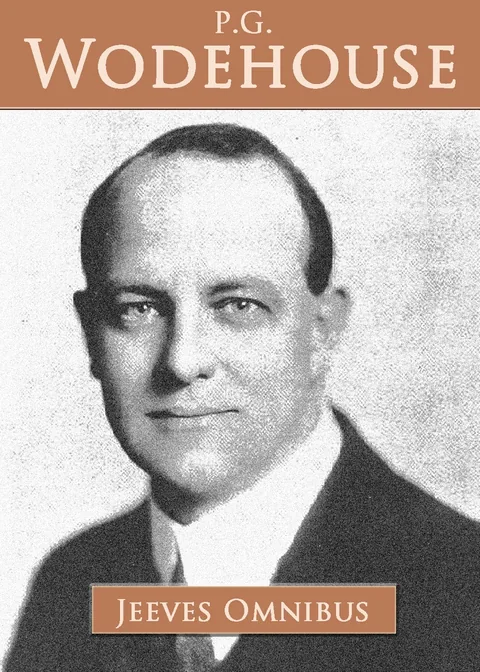 The Jeeves Omnibus 1P. G. Wodehouse1989Literature
The first collection of P. G. Wodehouse's stories and novels of Bertie Wooster and his valet Jeeves.
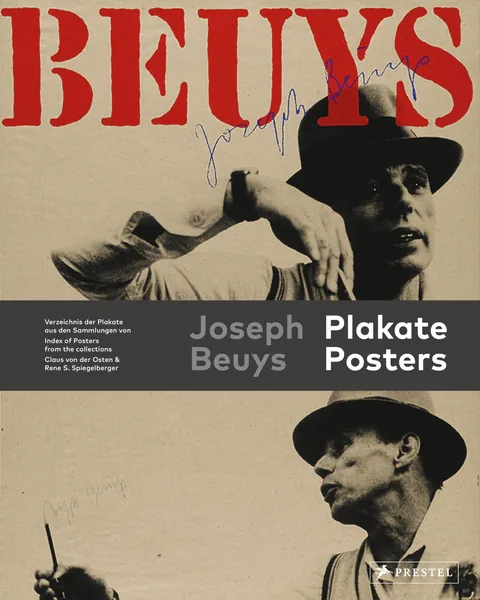 Joseph Beuys: Plakate / PostersJoseph Beuys2021Design & Art
Posters by the German artist Joseph Beuys, collected in a bilingual German–English edition.
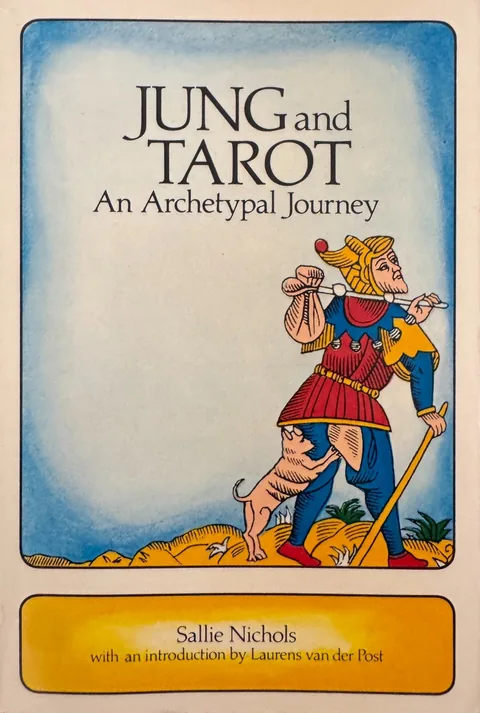 Jung and TarotSallie Nichols1980Esoterica
Sallie Nichols reads the 22 Major Arcana as images of Jungian individuation, the Fool's journey toward wholeness.
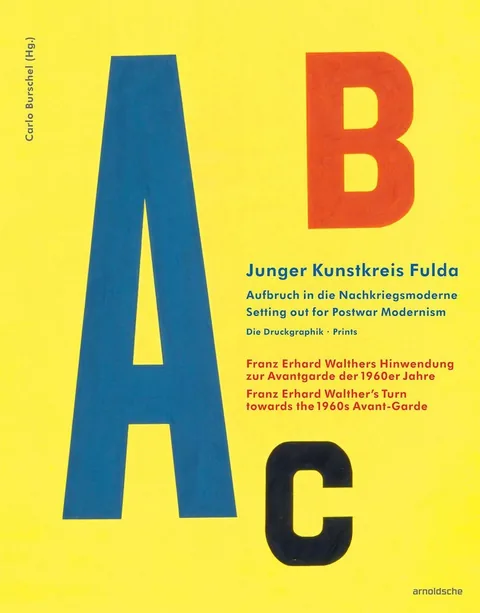 Junger Kunstkreis FuldaCarlo Burschel (ed.)2019Design & Art
The prints of the Junger Kunstkreis Fulda, the young artists' circle in postwar Fulda where Franz Erhard Walther began his turn toward the 1960s avant-garde. Edited by Carlo Burschel.
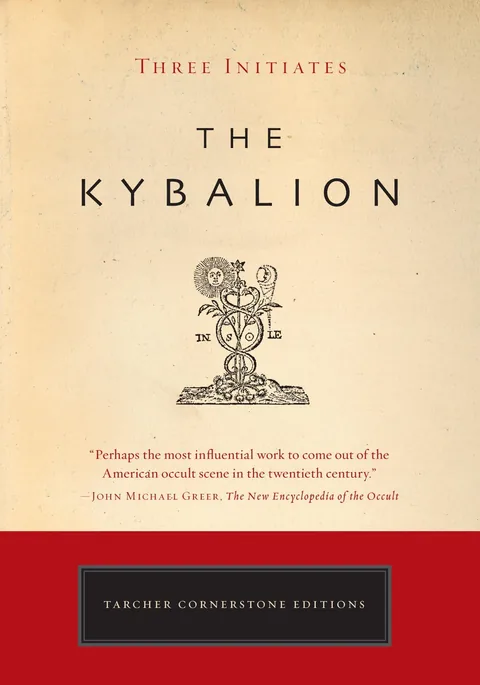 The KybalionWilliam Walker Atkinson1908Esoterica
A short book of seven Hermetic principles, published under the name "Three Initiates" and usually attributed to the New Thought writer William Walker Atkinson.
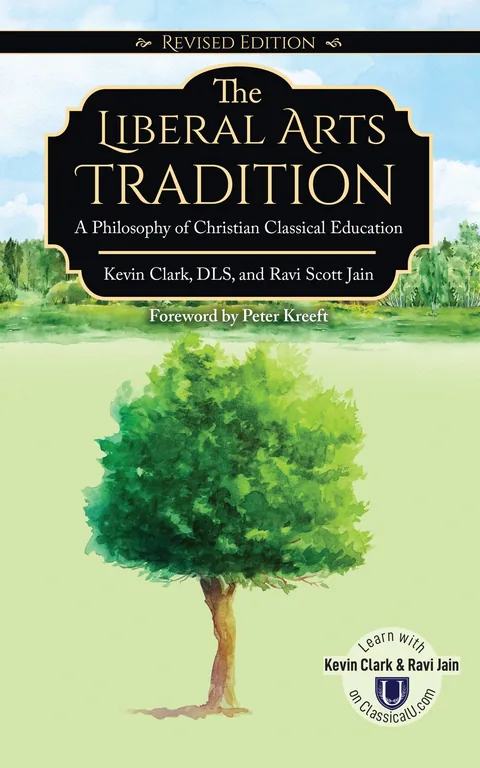 The Liberal Arts TraditionKevin Clark and Ravi Scott Jain2013Education & the Liberal Arts
Kevin Clark and Ravi Scott Jain place the trivium and quadrivium inside a larger frame of piety, gymnastics, music, philosophy and theology. It is a guide for classical Christian schools.
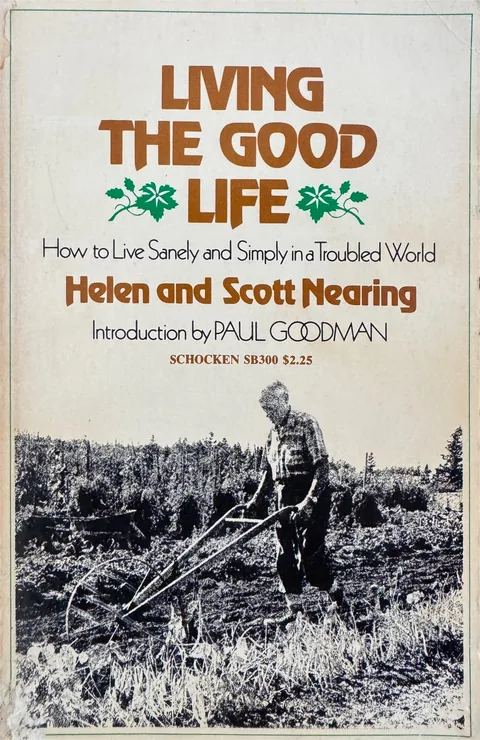 Living the Good LifeHelen and Scott Nearing1954Craft, Land & Work
Helen and Scott Nearing's account of homesteading in Vermont from 1932, growing their own food and building in stone. It became a founding text of the back-to-the-land movement.
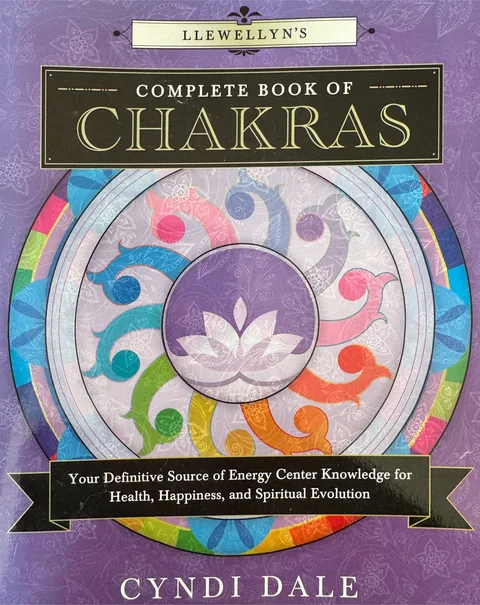 Llewellyn's Complete Book of ChakrasCyndi Dale2016Esoterica
Cyndi Dale's thousand-page reference to the chakra systems of many cultures, from Hindu and Tibetan to Mayan and Kabbalistic.
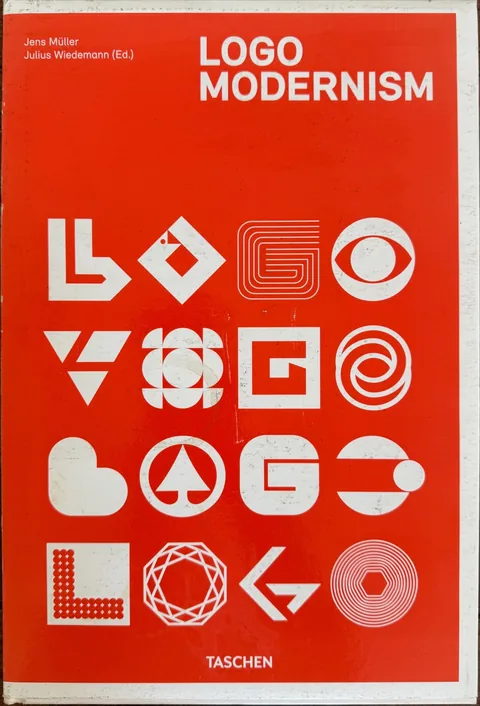 Logo ModernismJens Müller2015Design & Art
Jens Müller's Taschen catalogue of about 6,000 trademarks from 1940 to 1980, organised by form: geometric, effect and typographic.
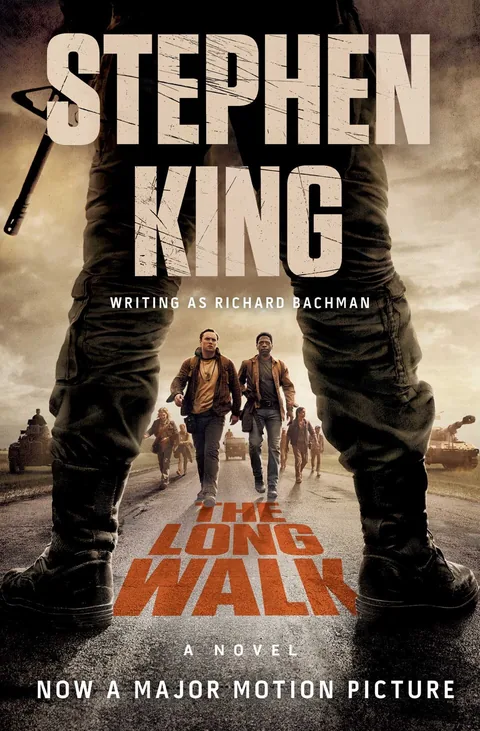 The Long WalkStephen King1979Literature
Stephen King's first novel, written in college and published as Richard Bachman. One hundred boys walk until only one is left.
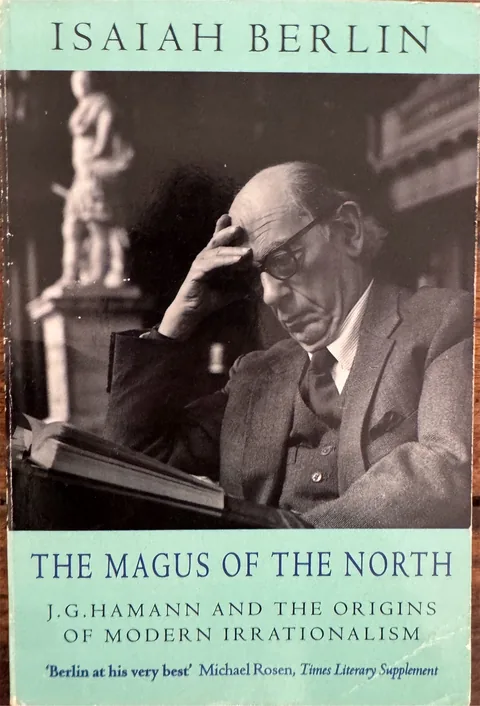 The Magus of the NorthIsaiah Berlin1993Philosophy
Isaiah Berlin's portrait of Johann Georg Hamann, the eighteenth-century Prussian thinker he credits with starting the revolt against the Enlightenment.
 Man and His SymbolsCarl G. Jung1964Psychology & the Self
The last project Carl Jung finished, written with four of his followers for general readers. It introduces dreams, archetypes and the unconscious.
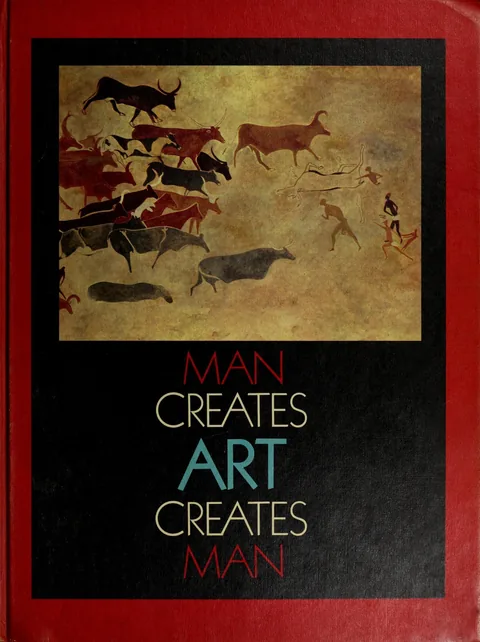 Man Creates Art Creates ManDuane Preble1973Design & Art
Duane Preble's introduction to the visual arts, organised around the idea that art and people make each other. It later became the textbook Artforms.
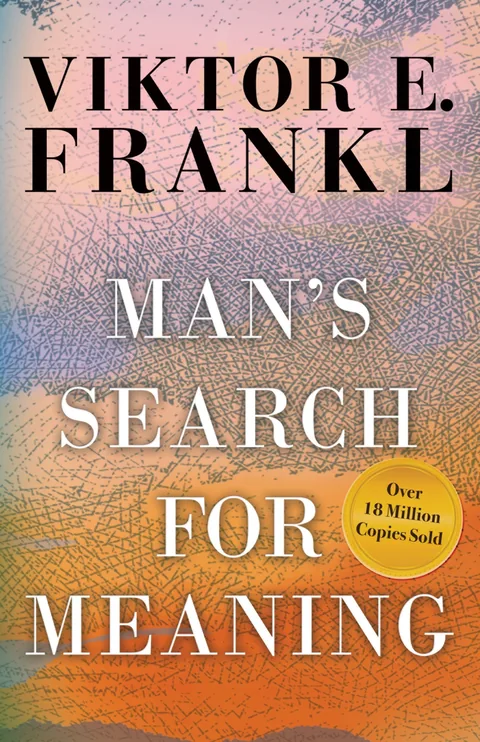 Man's Search for MeaningViktor E. Frankl1946Psychology & the Self
Viktor Frankl's memoir of Auschwitz and Dachau, followed by an outline of logotherapy. Its thesis is that the search for meaning is the primary human drive.
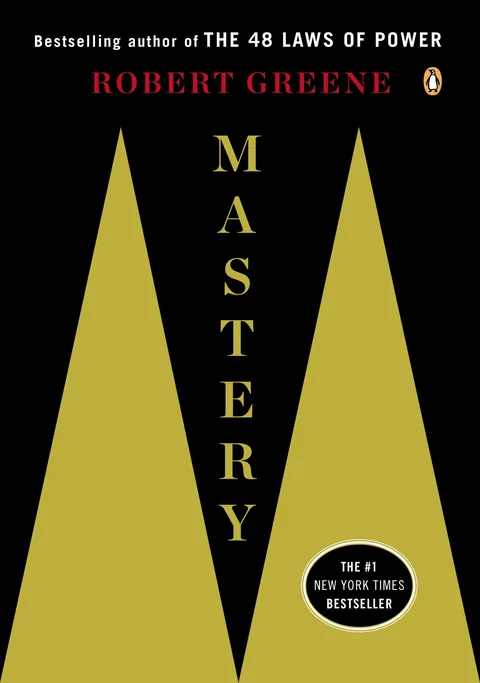 MasteryRobert Greene2012Psychology & the Self
Robert Greene draws on lives from Leonardo to Darwin to describe the long apprenticeship that leads to mastery.
 MeditationsMarcus Aureliusc. 180Antiquity
Private notes in Greek by Marcus Aurelius, Roman emperor and Stoic, on duty, mortality and self-command. They were written on campaign and never meant for publication.
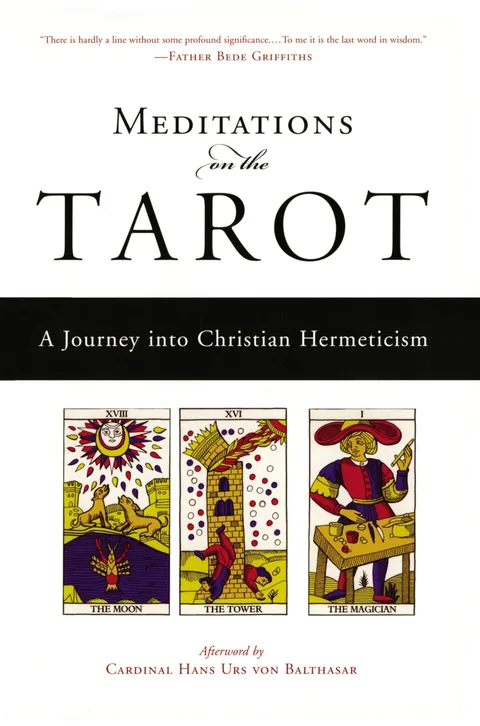 Meditations on the TarotAnonymous1980Esoterica
Twenty-two letters on the Major Arcana, written anonymously by Valentin Tomberg, a convert from Anthroposophy to Catholicism. It reads the tarot as a set of spiritual exercises in the tradition of Christian Hermeticism.
 The Medium Is the MassageMarshall McLuhan and Quentin Fiore1967Systems & Futures
Marshall McLuhan and the designer Quentin Fiore's experimental "inventory of effects": an illustrated argument that media reshape the people who use them.
 Morals and DogmaAlbert Pike1871Esoterica
Albert Pike's lectures on the 32 degrees of the Scottish Rite of Freemasonry. They range across Kabbalah, Hermeticism, Zoroastrianism and classical philosophy.
 The More Beautiful World Our Hearts Know Is PossibleCharles Eisenstein2013Systems & Futures
Charles Eisenstein argues that our crises come from a "story of separation" and sketches the "story of interbeing" he thinks could replace it.
 More Than HumanTheodore Sturgeon1953Science Fiction
Theodore Sturgeon's novel of six outcasts with strange gifts who together form a new kind of being, the next step in human evolution. It won the International Fantasy Award.
 The Motivation ManifestoBrendon Burchard2014Psychology & the Self
Brendon Burchard sets out nine declarations for personal freedom, written as a manifesto.
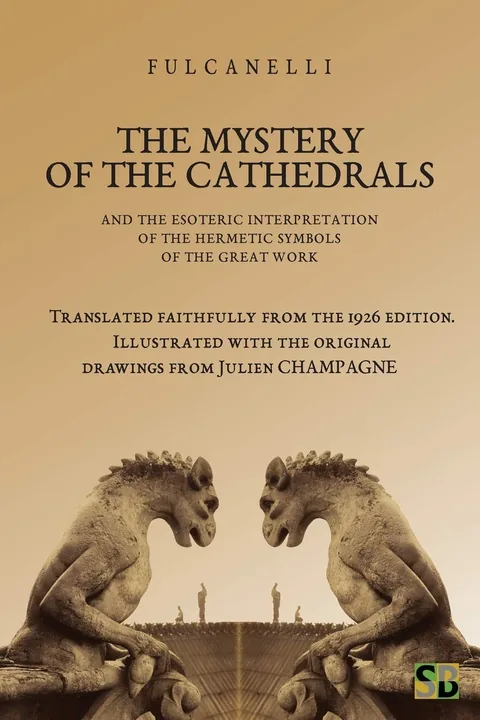 The Mystery of the CathedralsFulcanelli1926Esoterica
The pseudonymous French alchemist Fulcanelli argues that the sculpture of Notre-Dame and other Gothic cathedrals encodes the Great Work of alchemy. The author has never been identified.
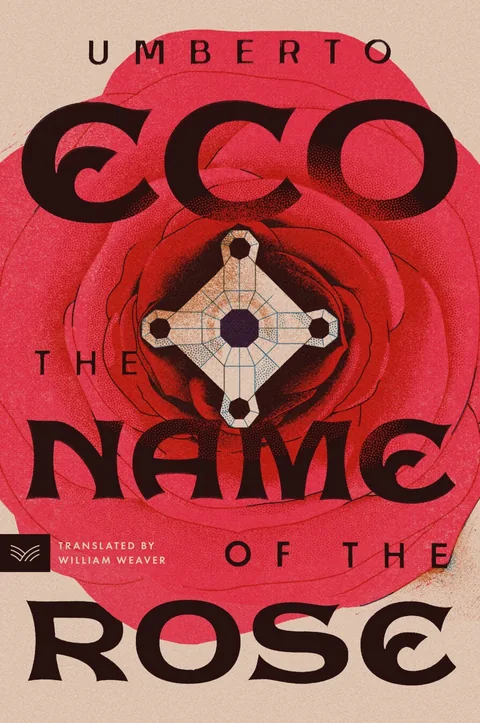 The Name of the RoseUmberto Eco1980Literature
Umberto Eco's murder mystery in a fourteenth-century Benedictine abbey, solved by the Franciscan William of Baskerville. It is also a novel about books, signs and laughter.
 Narcissus and GoldmundHermann Hesse1930Literature
Hermann Hesse's novel of two friends in medieval Germany: Narcissus, the ascetic scholar, and Goldmund, the wandering artist and lover.
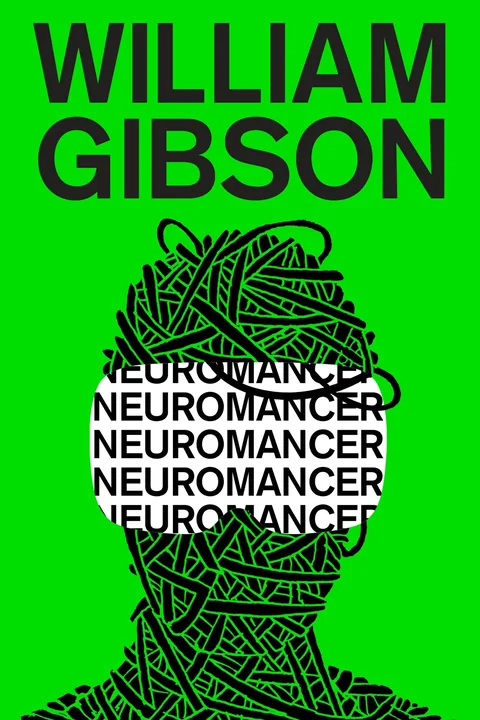 NeuromancerWilliam Gibson1984Science Fiction
William Gibson's first novel, in which Case, a washed-up hacker, is hired for one last job in cyberspace. It defined cyberpunk.
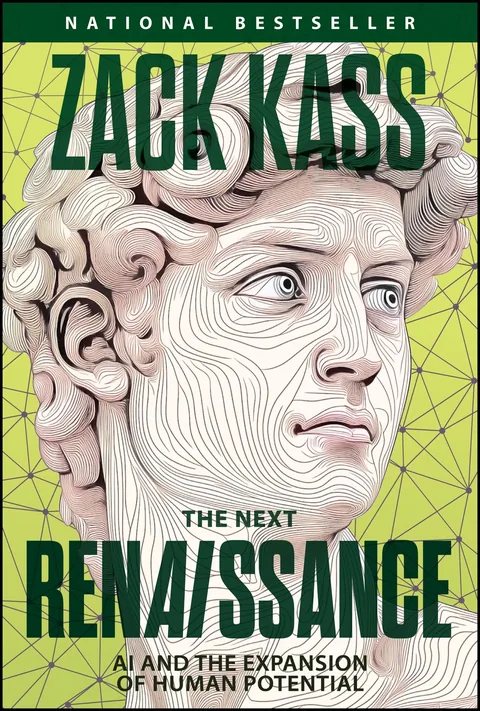 The Next RenaissanceZack Kass2026Systems & Futures
Zack Kass, formerly of OpenAI, argues that AI could bring a new renaissance, with abundance, discovery and a renewed search for meaning.
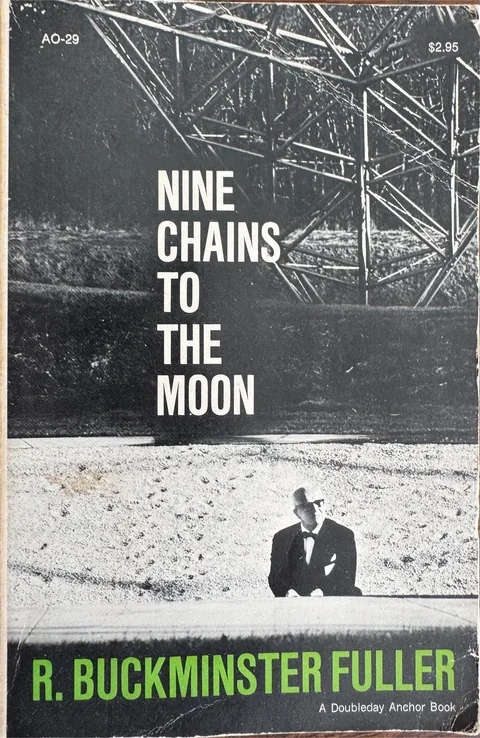 Nine Chains to the MoonR. Buckminster Fuller1938Systems & Futures
Buckminster Fuller's first book, on technology, shelter and Einstein, and on what he called the "dymaxion" approach to doing more with less.
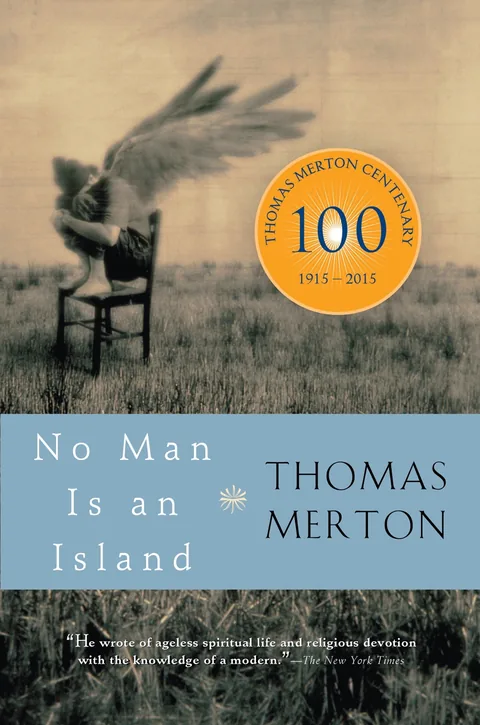 No Man Is an IslandThomas Merton1955Religion & Mysticism
Sixteen essays by the Trappist monk Thomas Merton on hope, vocation, solitude and love.
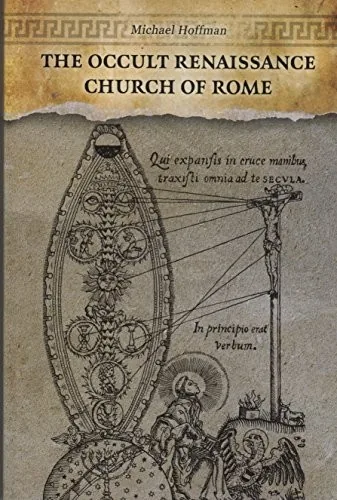 The Occult Renaissance Church of RomeMichael Hoffman2017Religion & Mysticism
Michael Hoffman's polemical history arguing that Renaissance popes and humanists brought Hermetic and Neoplatonic magic into the Catholic Church.
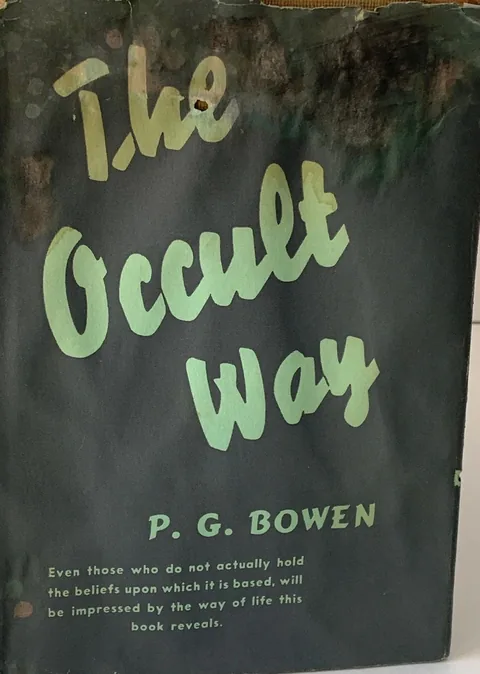 The Occult WayP. G. Bowen1939Esoterica
P. G. Bowen, an Irish Theosophist, presents a course in esoteric training that he said came from an African teacher.
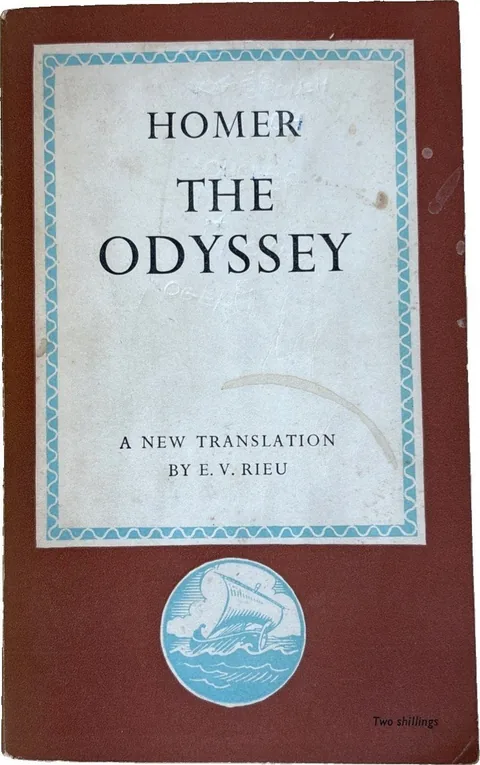 The OdysseyHomerc. 725 BCAntiquity
Homer's epic of Odysseus's ten-year voyage home from Troy to Ithaca and Penelope. E. V. Rieu's 1946 prose translation launched Penguin Classics.
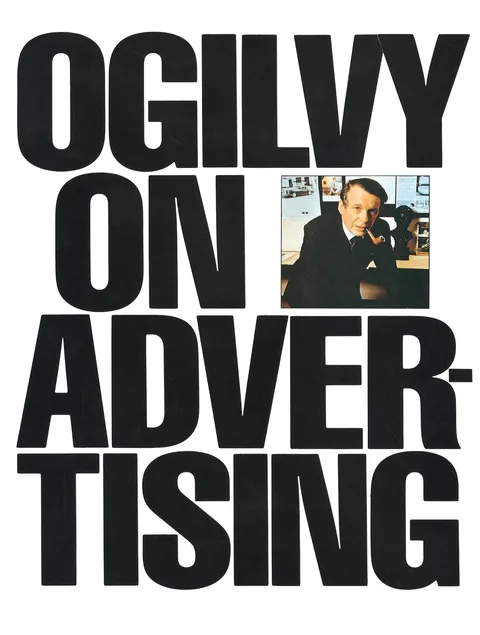 Ogilvy on AdvertisingDavid Ogilvy1983Persuasion & Business
David Ogilvy's illustrated handbook of what works in advertising, drawn from his career founding Ogilvy & Mather.
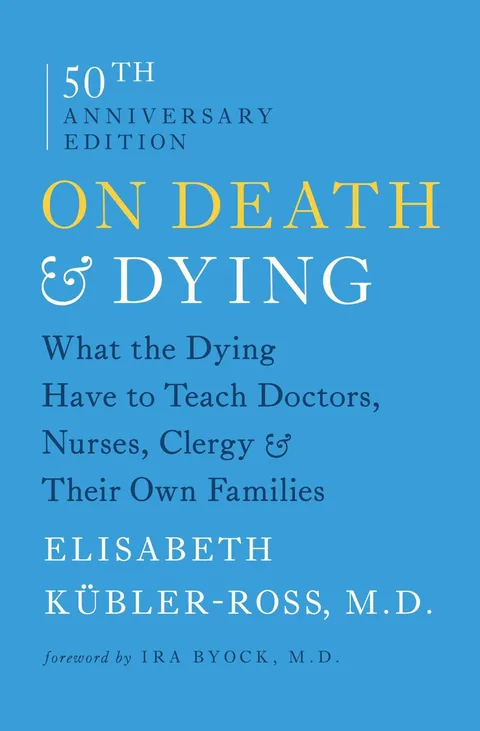 On Death and DyingElisabeth Kübler-Ross1969Psychology & the Self
Elisabeth Kübler-Ross drew on interviews with terminally ill patients for this book, which introduced the five stages of grief.
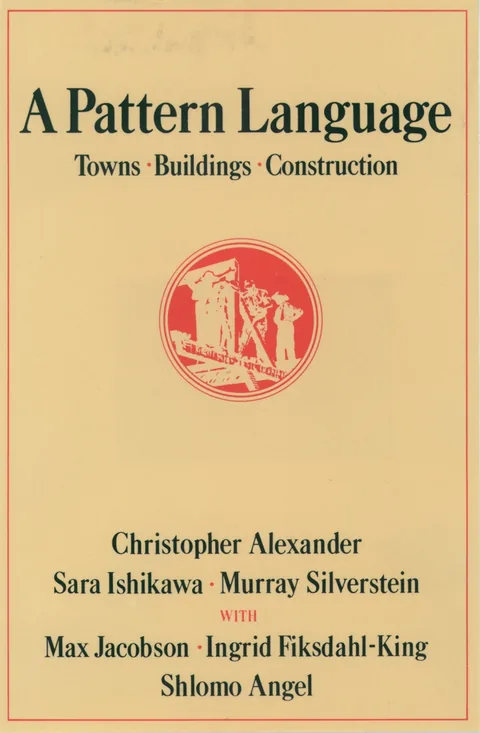 A Pattern LanguageChristopher Alexander1977Architecture & Cities
Christopher Alexander and colleagues set out 253 patterns, from regions down to window seats, that anyone can use to design towns and buildings.
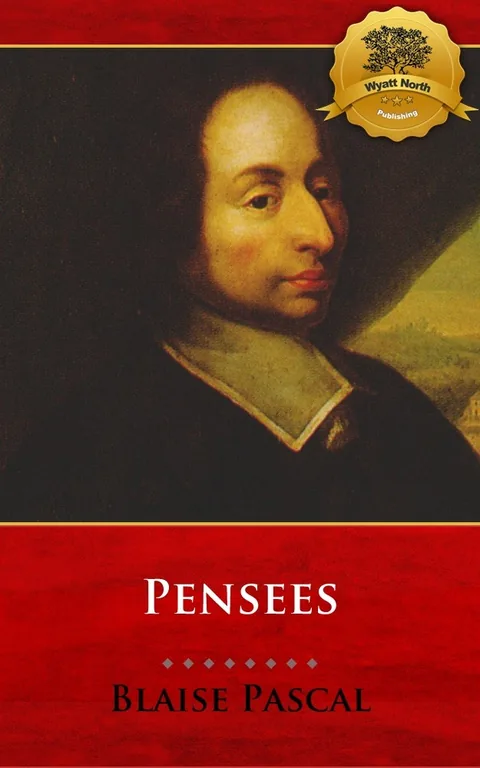 PenséesBlaise Pascal1670Philosophy
Blaise Pascal's fragments toward a defence of Christianity, published after his death. They include the Wager and "the heart has its reasons, which reason knows not."
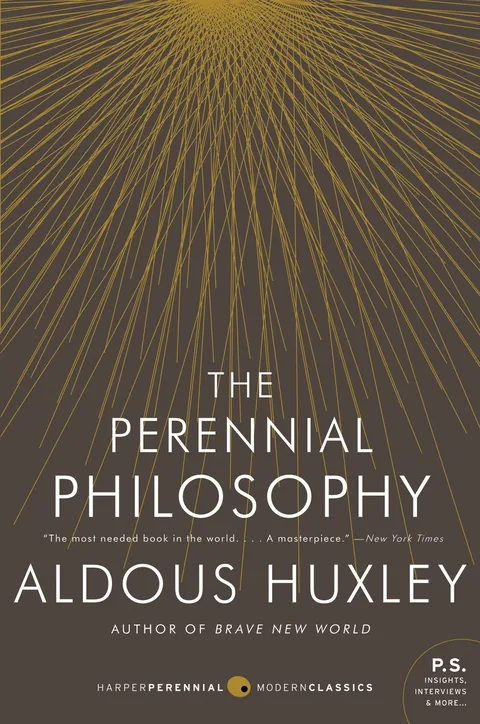 The Perennial PhilosophyAldous Huxley1945Religion & Mysticism
Aldous Huxley's anthology of mystics from many traditions, arranged to show a single truth beneath them: the divine ground of being.
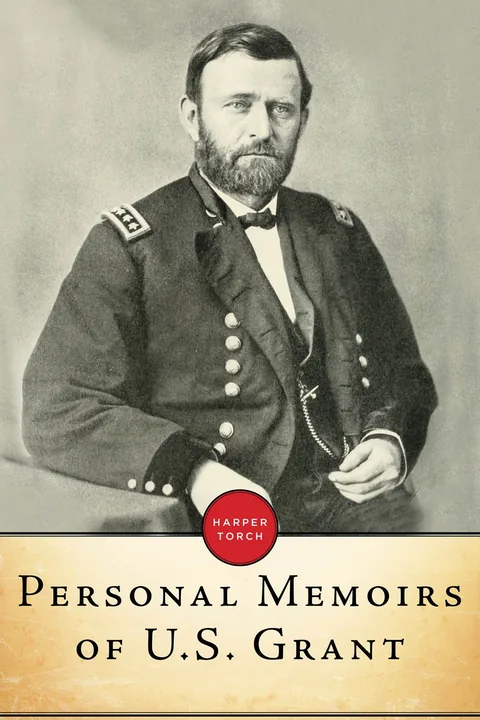 Personal Memoirs of U. S. GrantUlysses S. Grant1885History & Biography
Ulysses S. Grant wrote this account of the Mexican and Civil Wars while dying of throat cancer, to provide for his family. Mark Twain published it. It is often called the best American military memoir.
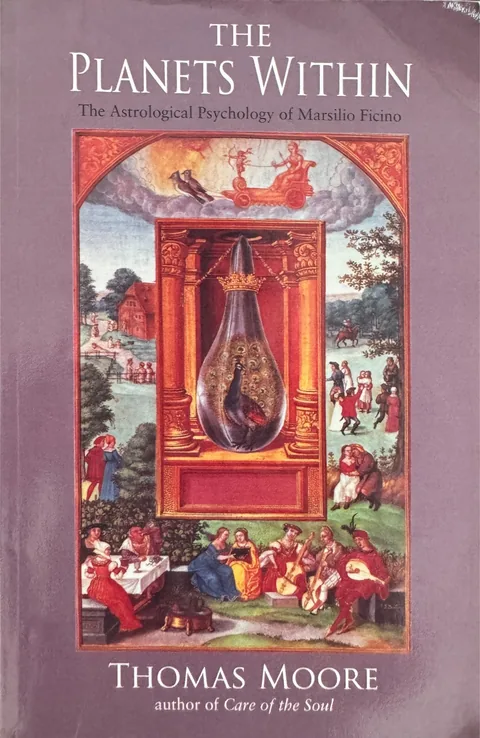 Planets WithinThomas Moore1982Esoterica
Thomas Moore reads the astrological medicine of the Renaissance philosopher Marsilio Ficino as a psychology of the soul. It was his first book, ten years before Care of the Soul.
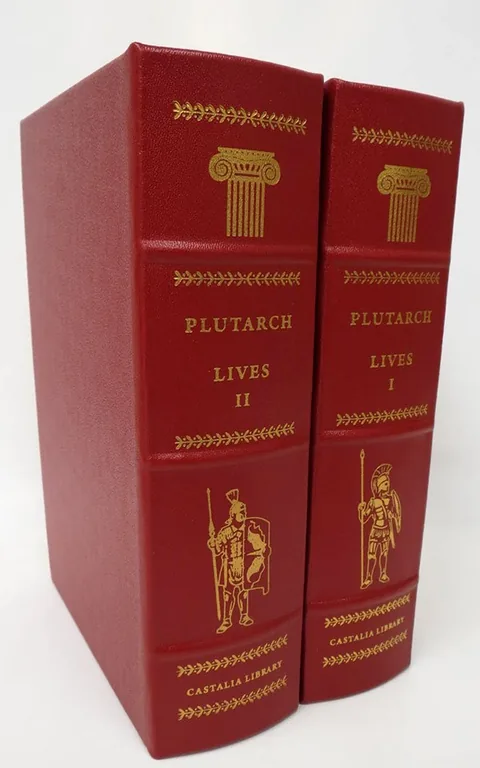 Plutarch's LivesPlutarchc. 100Antiquity
Plutarch's paired biographies of Greek and Roman statesmen and soldiers, written to study character. Shakespeare drew three plays from Thomas North's translation. This is the Castalia House edition, bound in leather.
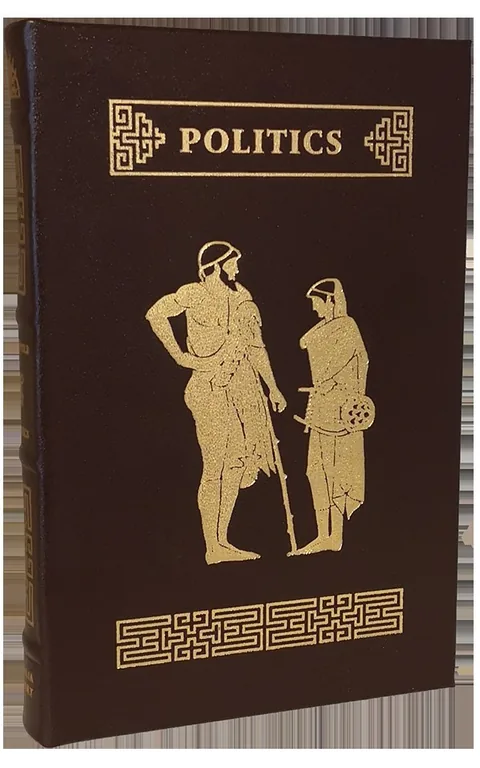 PoliticsAristotlec. 350 BCAntiquity
Aristotle on the city-state: households, citizenship, constitutions, revolutions and the best regime. It is the founding text of political science.
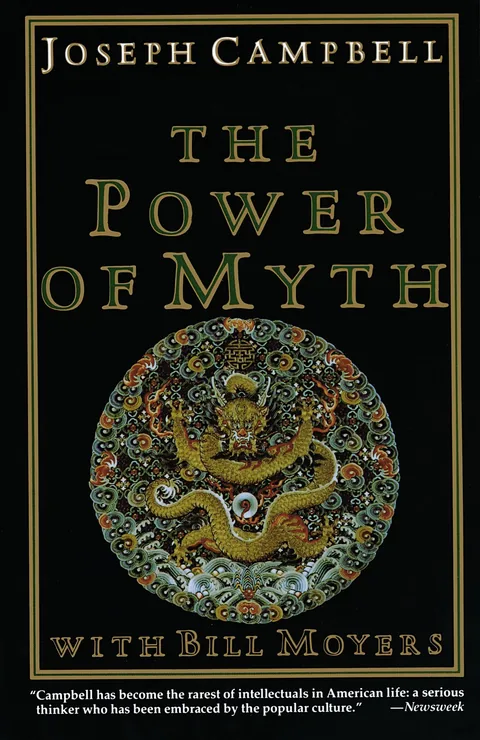 The Power of MythJoseph Campbell1988Religion & Mysticism
A companion to Bill Moyers's PBS interviews with Joseph Campbell on the hero's journey, world mythology and "following your bliss".
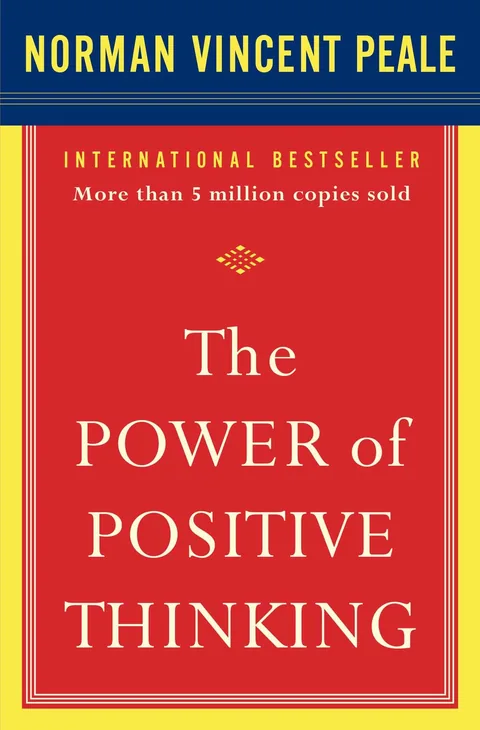 The Power of Positive ThinkingNorman Vincent Peale1952Psychology & the Self
Norman Vincent Peale, a minister, mixes Christian faith with practical self-help. It spent 186 weeks on the New York Times bestseller list.
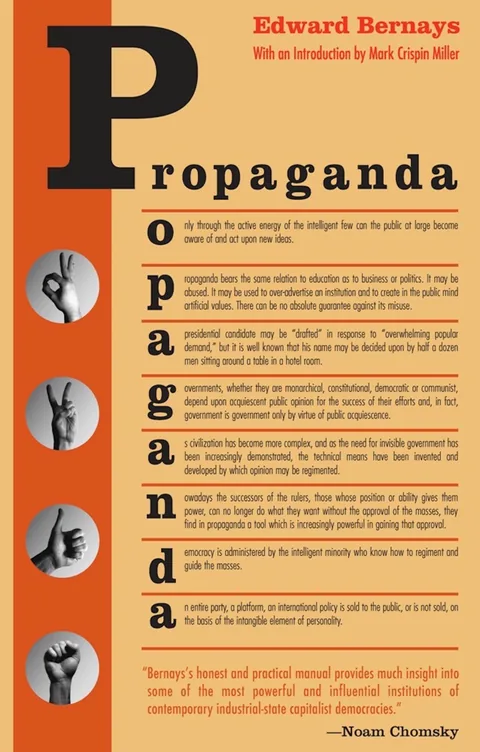 PropagandaEdward Bernays1928Persuasion & Business
Edward Bernays, Freud's nephew and the father of public relations, makes a frank case for the deliberate shaping of public opinion in a democracy.
 Psycho-CyberneticsMaxwell Maltz1960Psychology & the Self
Maxwell Maltz, a plastic surgeon, noticed that changing a face did not always change a person's self-image. He built a self-help method on cybernetic ideas of goal-seeking.
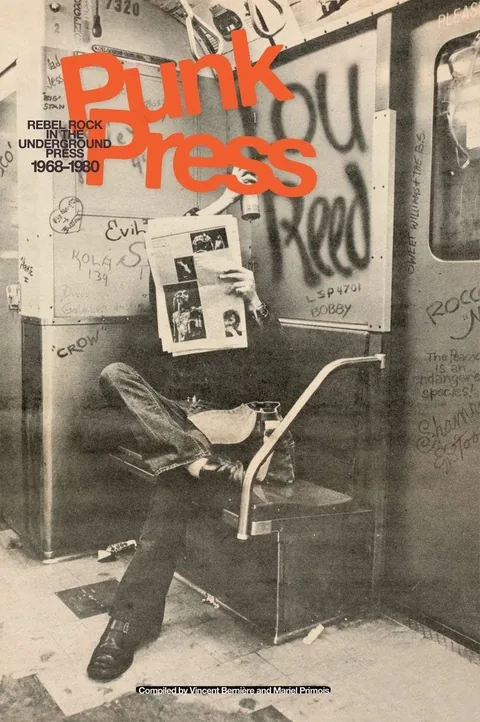 Punk PressVincent Bernière and Mariana Primois2012Design & Art
Vincent Bernière and Mariana Primois survey the fanzines and underground rock press of the late 1960s and 1970s: cut, pasted, photocopied, defiant.
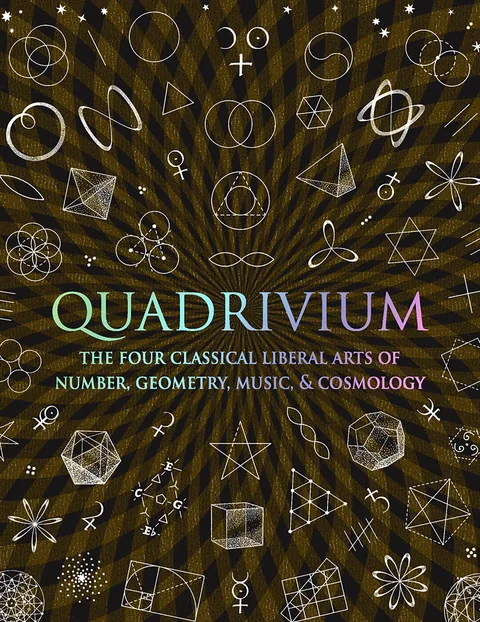 QuadriviumJohn Martineau (ed.)2010Education & the Liberal Arts
The companion Wooden Books anthology of the four mathematical arts: number, geometry, music and cosmology.
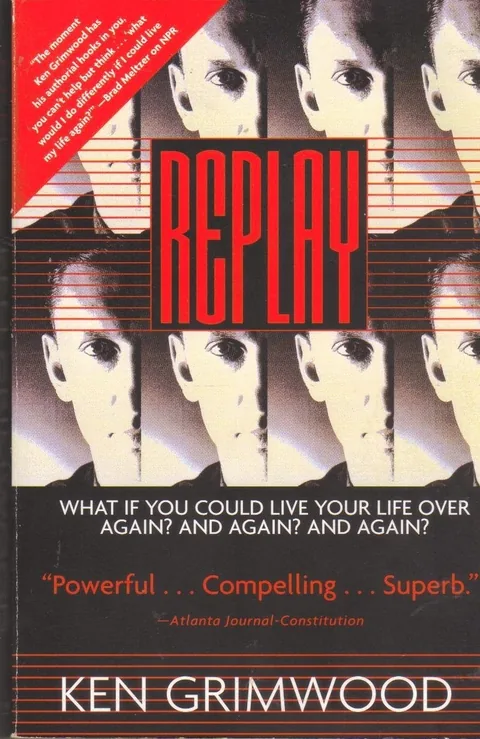 ReplayKen Grimwood1986Science Fiction
Ken Grimwood's novel of a man who dies of a heart attack at 43 and wakes up at 18 with his memories intact, again and again. It won the World Fantasy Award.
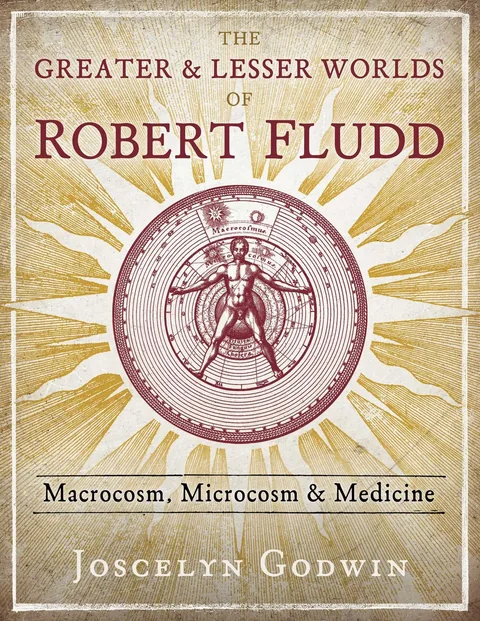 Robert FluddJoscelyn Godwin1979Esoterica
Joscelyn Godwin's illustrated study of the seventeenth-century English physician and Rosicrucian apologist. Fludd's engraved diagrams map the whole cosmos, from God down to the human body.
 Romancing the ShadowConnie Zweig and Steve Wolf1997Psychology & the Self
Connie Zweig and Steve Wolf turn Jung's concept of the shadow into practical work on the disowned parts of ourselves.
 The Sacred and the ProfaneMircea Eliade1957Religion & Mysticism
Mircea Eliade describes how religious people experience space, time, nature and life as sacred, and what modern people lost when they stopped.
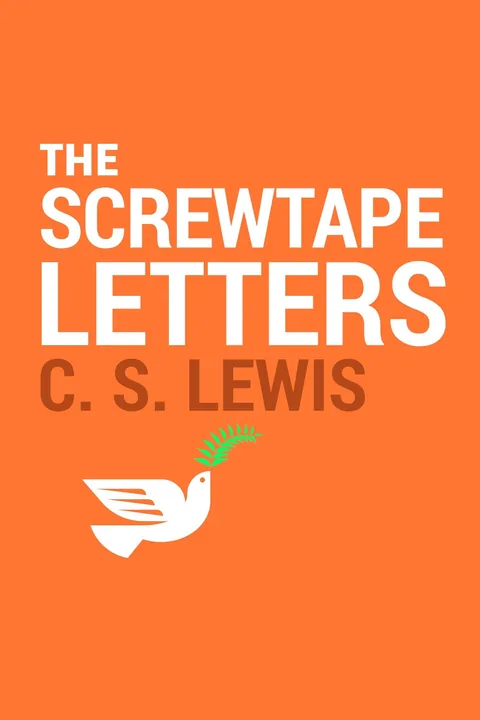 The Screwtape LettersC. S. Lewis1942Religion & Mysticism
C. S. Lewis's satire in the form of letters from a senior devil, Screwtape, advising his nephew on how to win a human soul.
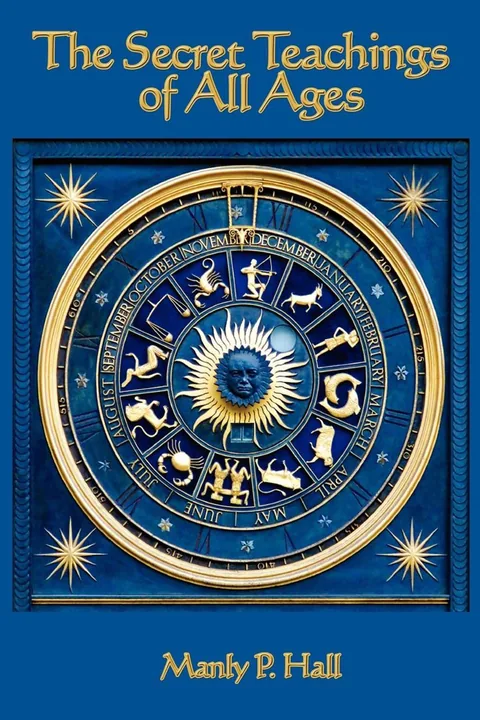 The Secret Teachings of All AgesManly P. Hall1928Esoterica
Manly P. Hall's encyclopaedia of Hermetic, Qabbalistic, alchemical and Rosicrucian symbolism. He published it at 27, and it is still the standard one-volume reference to the Western mystery traditions.
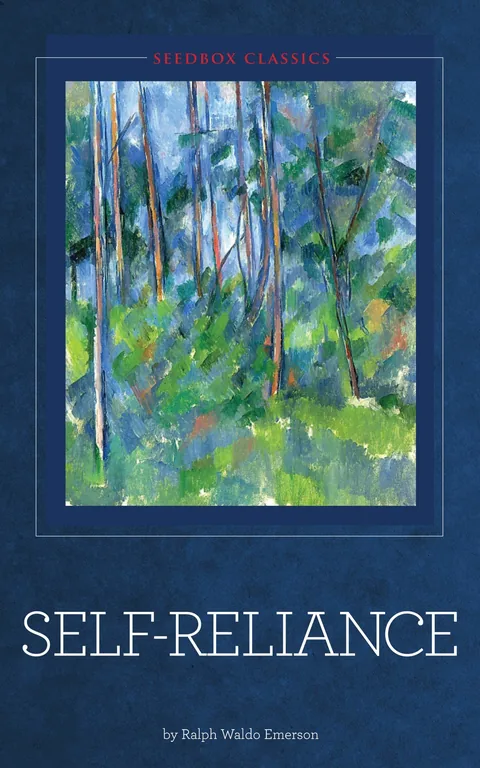 Self-RelianceRalph Waldo Emerson1841Philosophy
Ralph Waldo Emerson's essay on trusting your own thought over conformity and tradition. "Trust thyself: every heart vibrates to that iron string."
 The Seven Lamps of ArchitectureJohn Ruskin1849Architecture & Cities
John Ruskin's seven principles for architecture: Sacrifice, Truth, Power, Beauty, Life, Memory and Obedience. It shaped the Gothic Revival.
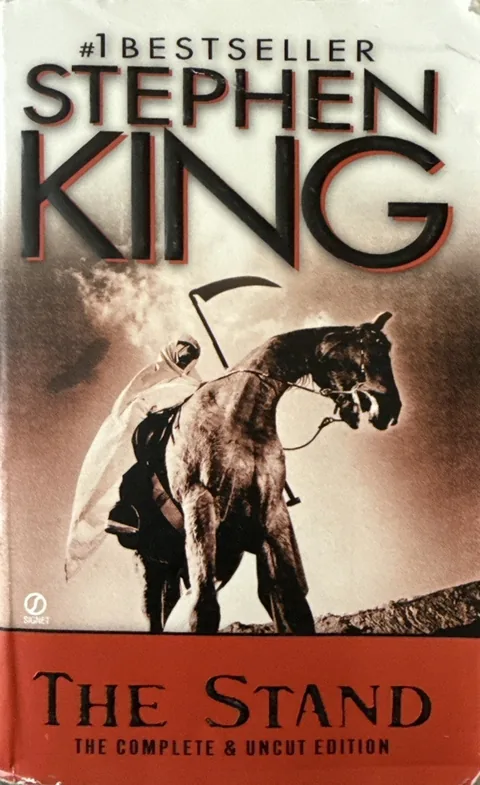 The StandStephen King1978Literature
Stephen King's epic of a weaponised flu that kills most of humanity, and of the survivors who gather around good and evil for a final stand.
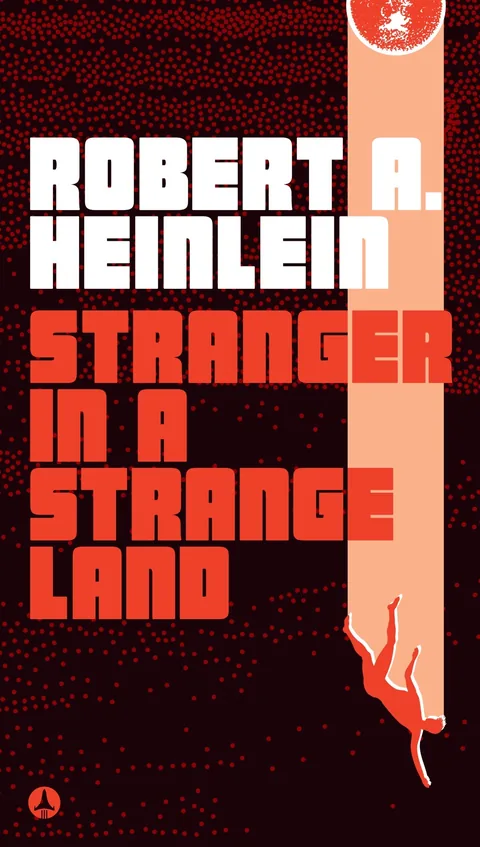 Stranger in a Strange LandRobert A. Heinlein1961Science Fiction
Robert A. Heinlein's novel of Valentine Michael Smith, a human raised by Martians, who comes to Earth and founds a church. It gave the language the word "grok".
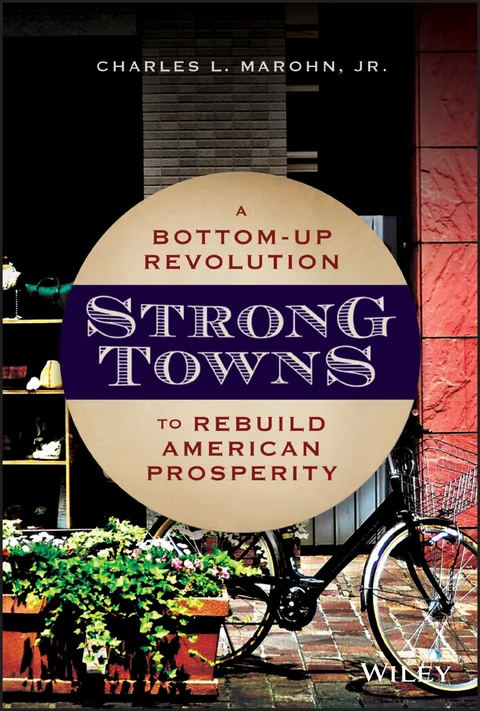 Strong TownsCharles L. Marohn Jr.2019Architecture & Cities
Charles Marohn argues that post-war American development is financially unsustainable. He calls for small, incremental, bottom-up growth instead.
 SynergeticsR. Buckminster Fuller1975Systems & Futures
Buckminster Fuller's thousand-page geometry of thinking, built on the tetrahedron, closest-packed spheres and the vector equilibrium.
 Tao Te ChingLao Tzuc. 400 BCReligion & Mysticism
Eighty-one short chapters attributed to Lao Tzu on the Tao, the way of nature, and wu wei, effortless action. This is D. C. Lau's Penguin translation.
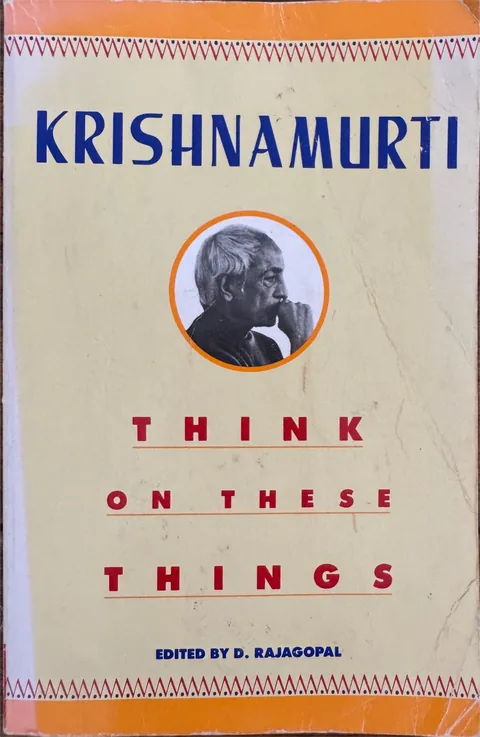 Think on These ThingsJ. Krishnamurti1964Religion & Mysticism
J. Krishnamurti's talks to students and teachers in India on fear, ambition, freedom and what education is for.
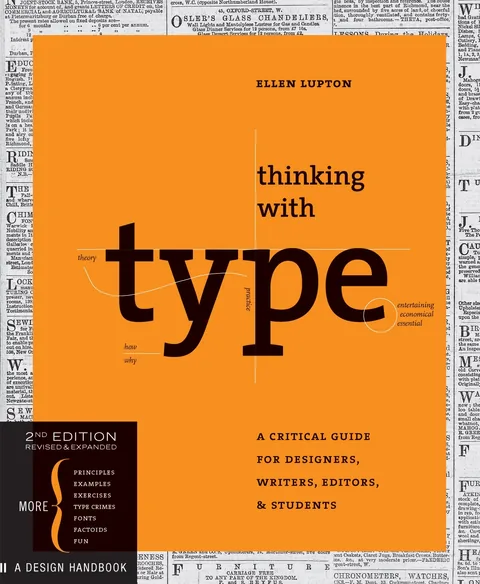 Thinking with TypeEllen Lupton2004Design & Art
Ellen Lupton's guide to typography for designers, writers and students: letter, text and grid, with history alongside practice.
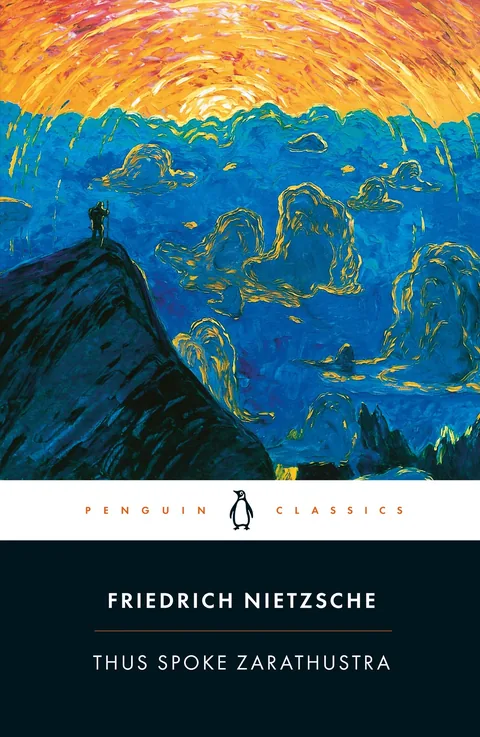 Thus Spoke ZarathustraFriedrich Nietzsche1883Philosophy
Nietzsche's philosophical novel, in which the prophet Zarathustra comes down from the mountain to teach the Übermensch, the will to power and eternal recurrence.
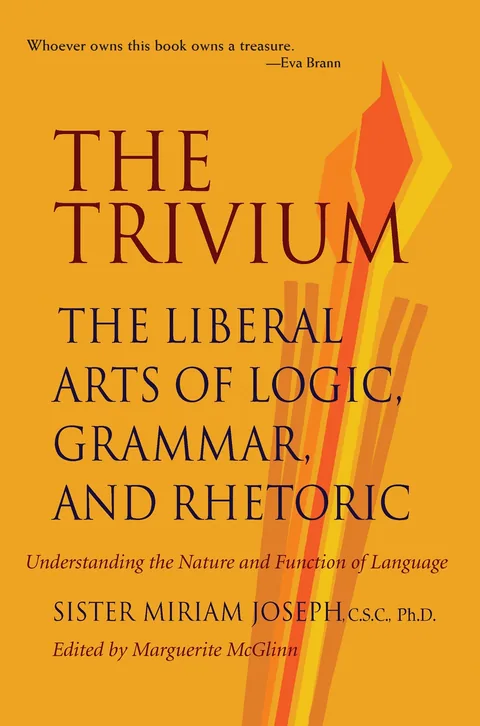 The TriviumSister Miriam Joseph1937Education & the Liberal Arts
Sister Miriam Joseph's textbook of logic, grammar and rhetoric, written for her students at Saint Mary's College, Indiana.
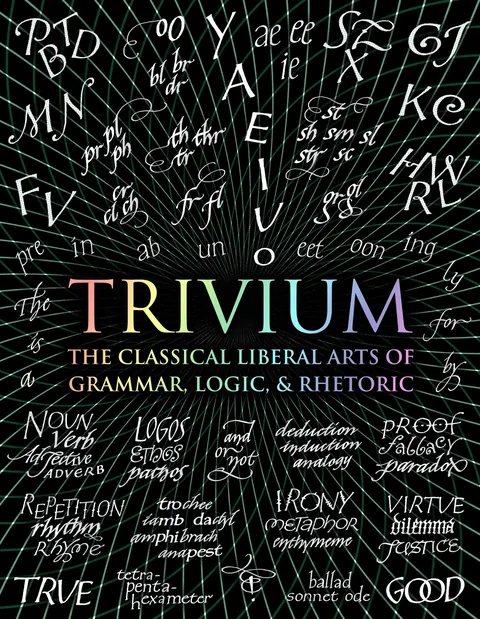 TriviumJohn Martineau (ed.)2016Education & the Liberal Arts
A Wooden Books anthology of the three verbal arts of classical education, grammar, logic and rhetoric, in small illustrated chapters.
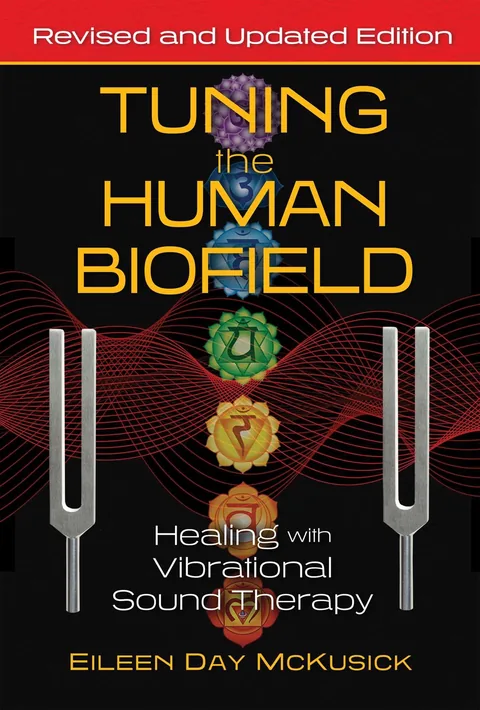 Tuning the Human BiofieldEileen Day McKusick2014Esoterica
Eileen Day McKusick on Biofield Tuning, her practice of using tuning forks to read and adjust the energy field around the body.
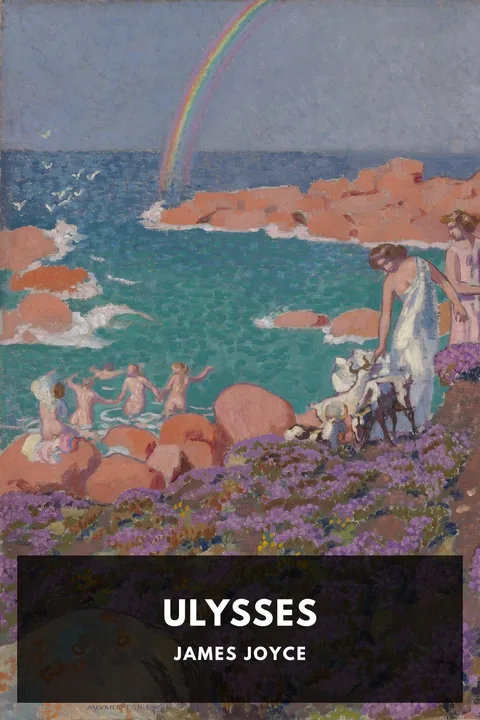 UlyssesJames Joyce1922Literature
James Joyce's novel of one day in Dublin, 16 June 1904, following Leopold Bloom, Molly Bloom and Stephen Dedalus, told in eighteen styles.
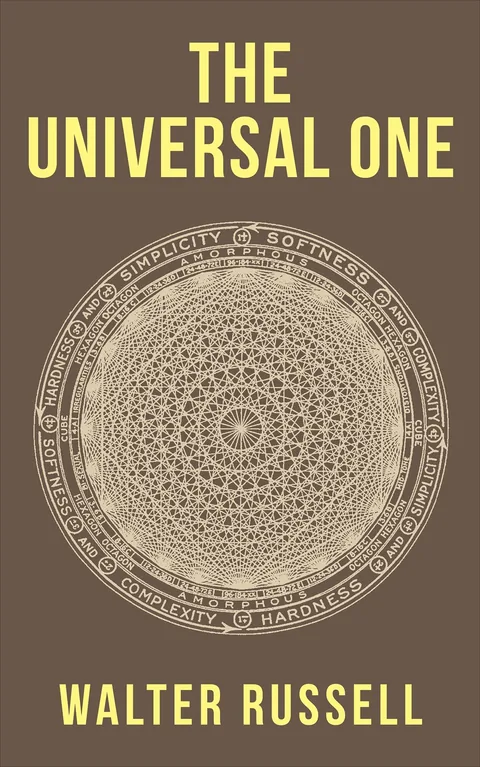 The Universal OneWalter Russell1926Esoterica
Walter Russell, a painter, sculptor and self-taught cosmologist, sets out a theory of a single universal substance of light and rhythmic balanced exchange.
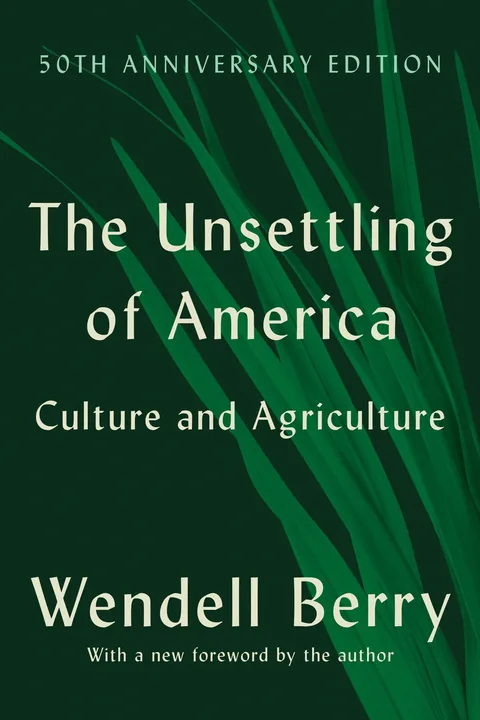 The Unsettling of AmericaWendell Berry1977Craft, Land & Work
Wendell Berry's indictment of industrial agriculture and the specialisation that separated Americans from land, work and community.
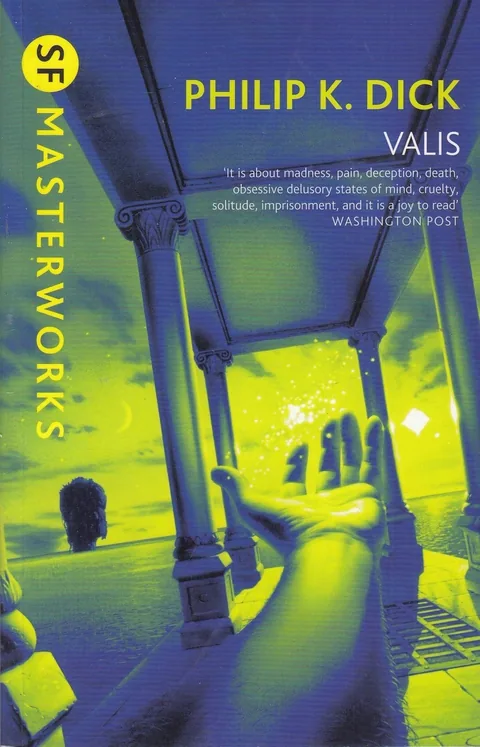 VALISPhilip K. Dick1981Science Fiction
Philip K. Dick's novel about Horselover Fat, a stand-in for Dick himself, who is struck by a pink beam of information from what may be God, an alien satellite or madness. Dick drew it from his own visions of February–March 1974.
 War and PeaceLeo Tolstoy1869Literature
Tolstoy's novel of five aristocratic families through Napoleon's invasion of Russia. It moves between ballrooms and battlefields while arguing with itself about what drives history.
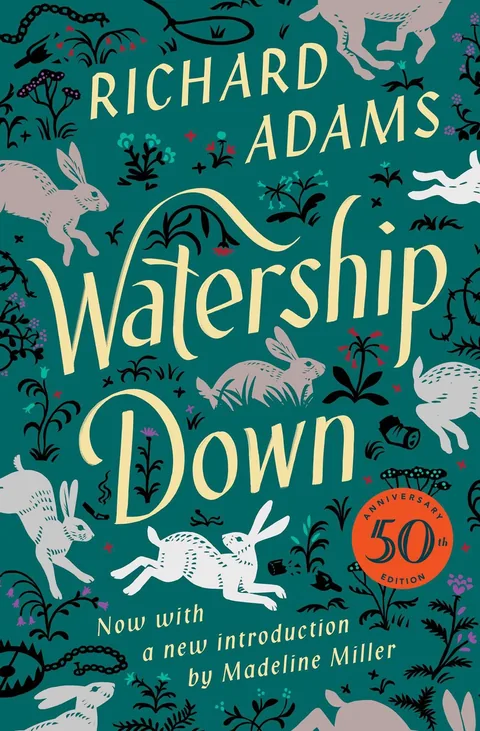 Watership DownRichard Adams1972Literature
Richard Adams's epic about a band of rabbits who leave their doomed warren to found a new one. It began as stories he told his daughters on car journeys.
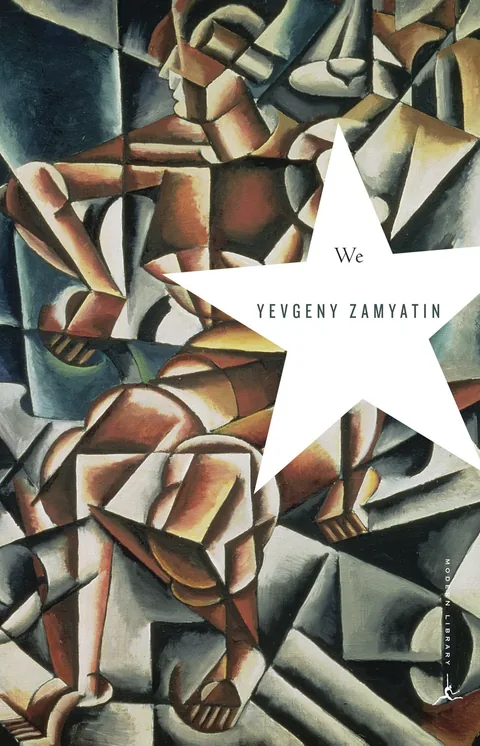 WeYevgeny Zamyatin1924Science Fiction
Yevgeny Zamyatin's novel of D-503, a mathematician in the glass One State where people have numbers instead of names. It was banned in the Soviet Union and influenced Huxley and Orwell.
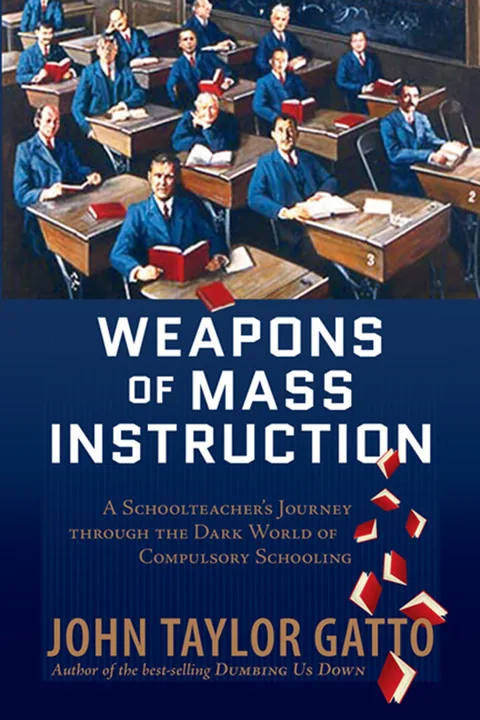 Weapons of Mass InstructionJohn Taylor Gatto2008Education & the Liberal Arts
John Taylor Gatto taught in New York public schools for thirty years. Here he argues that compulsory schooling was designed to produce compliance, not learning.
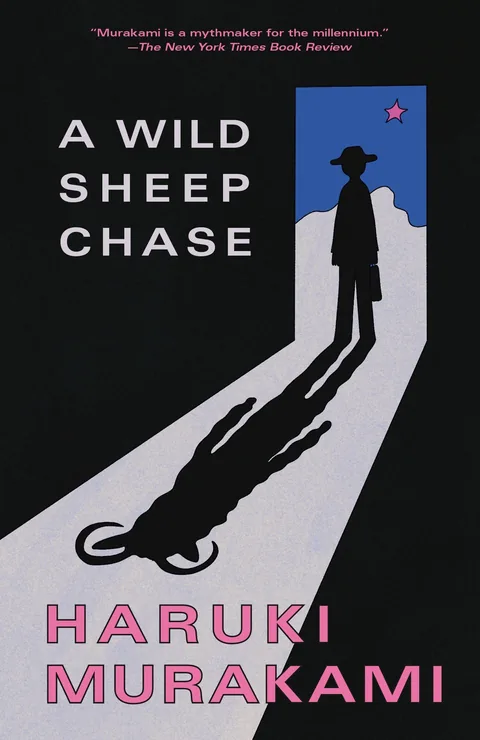 A Wild Sheep ChaseHaruki Murakami1982Literature
Haruki Murakami's surreal detective novel about a man sent to find a sheep with a star on its back. It was his first international success.
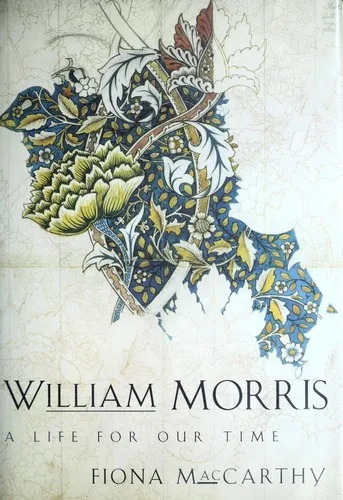 William Morris: A Life for Our TimeFiona MacCarthy1994History & Biography
Fiona MacCarthy's biography of the designer, poet, socialist and founder of the Arts and Crafts movement.
 The Wisdom of InsecurityAlan W. Watts1951Religion & Mysticism
Alan Watts argues that our craving for security is the source of our anxiety, and that the only real life is lived in the present.
 Your City Is SickJeff Siegler2023Architecture & Cities
Jeff Siegler of Proud Places argues that a city's health depends on pride, care and small acts by citizens, more than on big projects.
Nothing on the shelf matches.
This shelf is also kept as bookshelf.md and books.json.